Drug prevention programs A Community Health Adventure

Drug prevention programs

Welcome to the wild world of drug prevention programs, where heroes aren’t just in capes but also in community halls, schools, and local gyms! These programs play a crucial role in keeping our communities healthy and vibrant. Think of them as the trusty sidekicks to our health, swooping in to educate, intervene, and support those in need. With successful initiatives popping up like daisies in spring, we’ll explore how early intervention, education, and a dash of creativity can save the day!

From enlightening the youth about the perils of substance abuse to showcasing inspiring success stories across diverse demographics, drug prevention programs are truly the unsung champions of the health world. They tackle the serious business of drug abuse head-on, weaving together fitness, workshops, and outreach plans into a tapestry of hope and resilience.

Understanding Drug Prevention Programs

Drug alcohol awareness teens prevention youth drinking prevent activities addiction school abuse drugs tips students teen infographic health programs underage

In the colorful tapestry of community health, drug prevention programs play the role of the ever-vigilant watchdog, tirelessly working to keep our neighborhoods safe and sound. These initiatives are not just about saying “no” to drugs; they’re about weaving a safety net that catches those at risk before they fall into the deep, dark rabbit hole of substance abuse. Think of them as the friendly neighborhood superheroes armed with knowledge and prevention strategies—no capes required!Drug prevention programs are crucial as they address the root causes of substance abuse and promote healthy lifestyles.

These initiatives can take many forms, from educational campaigns in schools to community outreach programs aimed at high-risk groups. A notable example is the “Too Good for Drugs” program, which has seen success in schools across various demographics. This initiative teaches students essential life skills and decision-making abilities, equipping them to resist peer pressure and make informed choices. Another example is the “Dare to Be You” program targeting young adults, which successfully combines mentorship and education to foster resilience against drug-related temptations.

Importance of Early Intervention and Education

Early intervention and education serve as the backbone of effective drug prevention strategies. By addressing potential issues before they escalate, communities can help individuals steer clear of drugs and the associated pitfalls. Consider the following key points that highlight the significance of these efforts:

  • Proactive Approach: Early intervention means identifying at-risk individuals and providing support before drug use starts. This proactive approach allows for tailored programs that cater to specific needs.
  • Building Awareness: Education initiatives help demystify drugs, illustrating their dangers and effects. Knowledge is power, and when individuals understand the risks, they are more likely to make informed choices.
  • Strengthening Community Ties: Programs that involve families and communities foster a sense of belonging and support, creating protective factors against drug use.
  • Long-term Impact: Early education equips youth with life skills that promote healthier lifestyles. Research shows that early intervention can reduce drug use rates significantly over time.

“An ounce of prevention is worth a pound of cure.”

This age-old adage rings particularly true in the context of drug prevention. By investing in education and early intervention, communities can pave the way for healthier, drug-free futures. The goal isn’t just to prevent drug abuse; it’s to cultivate an environment where individuals can thrive, free from the cloud of substance dependence.

Connection Between Drug Abuse and Health Issues

Drug prevention programs

The tangled web of drug abuse stretches far beyond the immediate effects on the mind, weaving its way into the very fabric of our physical health. It’s like sending a bad date to your immune system—total chaos! When we delve into the health issues tied to drug misuse, we find that chronic diseases such as diabetes and multiple sclerosis can exacerbate into monstrous problems, leaving the body in a state resembling an overcooked spaghetti—stretched and twisted.

Impact on Chronic Diseases

Drug abuse doesn’t just throw a wrench into your mental gears; it can also wreak havoc on chronic health conditions. For instance, individuals suffering from diabetes can find their blood sugar levels dancing like they’re auditioning for “Dancing with the Stars,” leading to severe complications. Drug abuse can reduce the body’s ability to regulate insulin, making it a nightmare for those trying to manage their condition effectively.

Moreover, multiple sclerosis (MS), a condition that already brings its own set of challenges, can be significantly worsened by drug use. It can intensify symptoms like fatigue and mobility issues, as the body struggles to cope with both the disease and the toxic effects of drugs, creating a double whammy that leaves the individual feeling like they’ve entered a tough mudder course with no training.

Exacerbation of Disabilities and Health Conditions

The ripple effects of drug abuse extend to disabilities and existing health conditions, turning manageable situations into overwhelming ones. When we consider the impact on individuals with mobility impairments, drug abuse can lead to slips, trips, and falls that feel like an Olympic sport. The coordination necessary to navigate daily tasks can be significantly compromised when drugs are involved, creating an increased risk for additional injuries.

Additionally, the impact of drug abuse on mental health is profound, often resulting in emotional disorders that mimic the dramatic twists of a soap opera. The interplay between substance abuse and conditions like depression and anxiety can create a vicious cycle, where one feeds off the other like a couple of hungry raccoons rummaging through a trash can.

Mental Health Effects

The dangers of drug abuse don’t stop at physical ailments; they dive deep into the psyche, leading to emotional disorders and even eating disorders. Individuals battling addiction may experience severe depression or anxiety, making it seem like they’re stuck in a never-ending episode of a reality show that just won’t get canceled. The relationship between drug abuse and mental health is especially treacherous, as the substances can amplify feelings of worthlessness or despair.In terms of eating disorders, the connection is equally troubling.

Many individuals may turn to drugs as a means to manage body image issues, leading to a precarious balancing act between the desire to lose weight and the health consequences of the drugs themselves. It’s a slippery slope, where the outcome can be as unpredictable as a cat walking across a tightrope.

“Drug abuse doesn’t just affect the individual; it creates a health crisis that can ripple through families and communities.”

In summary, the connection between drug abuse and health issues serves as a stark reminder that the choices we make can have far-reaching consequences. It’s a multifaceted problem that intertwines with chronic diseases and mental health, making the need for effective prevention programs all the more critical.

Strategies for Effective Drug Prevention

In the ever-evolving battle against drug abuse, employing creative and comprehensive strategies is like bringing a Swiss Army knife to a kitchen fight—versatile and effective. Let’s dive into the world of drug prevention, where we kick off with fitness, engage communities, and tackle the sometimes-not-so-glamorous health issues associated with drug use. Buckle up; we’re about to embark on a health-filled joyride!

Comprehensive Drug Prevention Programs Incorporating Fitness

Integrating fitness and exercise into drug prevention programs is like adding a cherry on top of an already delicious sundae. Regular physical activity not only boosts mood but also serves as a powerful rehabilitation tool for individuals struggling with addiction. Here’s how you can make it work:

  • Physical Activity Workshops: Organize classes that range from yoga to Zumba, allowing participants to unleash their inner fitness gurus. Bonus points for including some funky dance moves!
  • Outdoor Adventure Programs: Plan hikes, rock climbing, or group sports—think of it as a team-building exercise, but instead of trust falls, we’re sweating together!
  • Personal Training Sessions: Pair participants with trainers who can provide personalized workout plans—after all, who wouldn’t want a personal cheerleader encouraging them to lift weights instead of lifting spirits with substances?

“Fitness is not just about being better than someone else; it’s about being better than you used to be.” – Unknown

Community Workshops Addressing Environmental Issues

Tackling the environmental issues surrounding drug abuse is like cleaning up after a wild party: necessary and often messy, but oh-so-rewarding! Community workshops can serve as the platform where we discuss the impact of drugs on our neighborhoods and how they intertwine with our environment.

  • Awareness Campaigns: Host workshops focusing on the effects of drug abuse on local ecosystems. Think of it as a “save the world” initiative, minus the capes.
  • Community Clean-Up Days: Organize events where volunteers can clean up areas affected by drug paraphernalia. This is a win-win—cleaner neighborhoods and a healthier community spirit!
  • Guest Speakers and Panels: Invite experts to discuss the link between drug abuse and environmental degradation, sparking discussions that might just light a fire in the hearts of attendees.

Outreach Plan for Drug-Related Health Issues

Addressing drug-related health issues, such as STDs, is crucial for an effective outreach plan. This effort is akin to being a superhero, but instead of a cape, you’ll be equipped with information and resources!

  • Educational Campaigns: Utilize social media platforms and community boards to spread awareness about the connection between drug use and health issues. Memes about “not catching feelings or STDs” can be quite effective!
  • Free Health Screenings: Partner with local clinics to offer health screenings at community events. Nothing says “I care” like a free check-up with a side of friendly conversation.
  • Resource Distribution: Hand out pamphlets and kits that include information about drug use, STDs, and available resources. Think of it as your very own “Goodie Bag of Health!”

By weaving fitness into drug prevention, engaging the community in environmental discussions, and addressing health issues, we can create a robust tapestry of strategies aimed at eradicating drug abuse. Now, let’s roll up those sleeves and get to work; the future is bright and filled with possibilities!

End of Discussion

In conclusion, drug prevention programs are not just about saying “no” to drugs; they’re about saying “yes” to healthier lives, stronger communities, and a future full of possibilities. By fostering education and engagement, we can all play a role in this epic saga against drug abuse. So, let’s rally together, support these initiatives, and ensure that our communities continue to thrive in a drug-free environment!

Common Queries

What age groups benefit most from drug prevention programs?

All age groups can benefit, but programs often target youth and young adults, where early intervention can be most effective.

How can communities implement their own drug prevention programs?

Communities can start by assessing local needs, partnering with local organizations, and developing tailored programs that include education and support.

Are drug prevention programs expensive to run?

They can vary in cost, but many utilize community resources and volunteers to keep expenses low while maximizing impact.

What role do families play in drug prevention?

Families are crucial as they provide support, communication, and education about the dangers of drug use, helping to create a strong foundation for prevention.

Can drug prevention programs reduce the rates of addiction?

Absolutely! Effective programs can significantly lower addiction rates by addressing the root causes and providing healthy alternatives.


Drug addiction Unraveling the Sticky Web of Dependency

Drug addiction

Drug addiction is like that uninvited guest who crashes the party and refuses to leave, turning what could have been a fabulous bash into a chaotic ruckus. It’s a complex phenomenon that not only envelops the individual in a haze of cravings and compulsions but also leaves a trail of bewildered family members and friends in its wake. With a blend of biological quirks and psychological puzzles, drug addiction dances on a tightrope strung between personal choices and uncontrollable urges, shaping lives across the globe.

As we dive deeper into the murky waters of this topic, we’ll explore the intricate factors contributing to addiction and the staggering statistics that paint a vivid picture of its prevalence. From the health implications that can turn your life upside down to the roads leading to recovery, this journey is as enlightening as it is essential, making you rethink what you thought you knew about addiction.

Drug Addiction Overview

Drug addiction

Drug addiction, also known as substance use disorder, is a complex condition characterized by compulsive drug seeking and use, despite harmful consequences. It’s not just a matter of willpower; addiction is a multifaceted disease that affects the brain’s structure and function. Whether you’re trapped in the clutches of opiates or have a close relationship with the ups and downs of alcohol, understanding the scope of drug addiction reveals a landscape fraught with challenges for individuals and society alike.The biological and psychological factors contributing to drug addiction are intertwined in a way that makes recovery not just a physical battle, but also a mental one.

On the biological side, drugs can alter the brain’s chemistry, leading to physical dependence. Psychological factors include emotional trauma and mental health issues, which often co-occur with substance use disorders. Essentially, while drugs may initially provide a sense of pleasure, they eventually hijack the brain’s reward system, creating a cycle that can be challenging to escape.

Statistics and Trends

Understanding the statistics and trends related to drug addiction across the globe shines a light on the scale of this epidemic. The numbers tell a sobering story, illustrating the prevalence of drug use and the dire consequences that accompany it. For context, consider the following statistics:

  • According to the World Health Organization (WHO), around 35 million people worldwide suffer from drug use disorders.
  • In the United States, approximately 21 million people had a substance use disorder in 2019, with only 10% receiving treatment.
  • The global illicit drug market is estimated to be worth over $320 billion, showing that demand for drugs remains high despite health risks.

“Addiction is a family disease. One person may use, but the whole family suffers.”

The trends surrounding drug addiction are shifting as well, with the rise of synthetic opioids, particularly fentanyl, contributing significantly to overdose deaths. For instance, data from the CDC highlights that in 2020 alone, over 93,000 drug overdose deaths occurred in the U.S., marking a dramatic increase from previous years. This alarming trend underscores the need for effective prevention strategies and robust support systems for those affected by addiction.In summary, drug addiction is not just a personal issue; it is a public health crisis that requires collective awareness and action.

As we delve deeper into the realm of addiction, it becomes clear that addressing its biological, psychological, and social components is essential for effective intervention and recovery.

Health Implications of Drug Addiction

Drug addiction weaves a tangled web of health complications that extend far beyond the immediate effects of substance abuse. As if the rollercoaster of addiction wasn’t dizzying enough, the ride often leads straight into a labyrinth of chronic health issues, many of which can feel like a game of medical Whac-A-Mole. The relationship between drug addiction and various health conditions is complex and multifaceted, often requiring a thorough understanding to navigate.

Relationship Between Drug Addiction and Diabetes

The link between drug addiction and diabetes is more significant than you might think. Certain substances, particularly stimulants like cocaine and methamphetamine, can lead to erratic eating habits and unregulated blood sugar levels, paving the way for diabetes to crash the party uninvited. Individuals battling addiction may neglect their health, leading to obesity or malnutrition, both of which are risk factors for diabetes.

The management of diabetes becomes a precarious balancing act when compounded by addiction. Here are some strategies for managing this dual threat:

  • Regular Monitoring: Blood sugar levels should be regularly checked, as substance use can cause unpredictable spikes and drops.
  • Nutritional Guidance: A diet rich in whole foods is crucial; think of it as a way to woo your pancreas back into a happy relationship with your body.
  • Behavioral Therapy: Engaging in counseling or support groups can provide the emotional support needed to tackle both addiction and diabetes.

Health Complications Associated with Drug Addiction

The impact of drug addiction on mental health is like that pesky roommate who never pays rent but keeps bringing friends over—overcrowding and chaos ensue. Substance abuse can exacerbate pre-existing mental health disorders or even catalyze new ones, such as anxiety, depression, and schizophrenia. These complications are not just names on a medical chart; they can lead to a cascade of other health problems.

Here’s why addressing mental health in addiction recovery is paramount:

  • Increased Suicide Risk: Individuals with both addiction and mental health disorders face a higher risk of suicide, necessitating vigilant monitoring.
  • Chronic Stress: The stress of addiction can lead to cardiovascular issues, which, combined with mental health struggles, creates a formidable foe for overall health.
  • Social Isolation: The stigma surrounding addiction and mental health can lead to withdrawal from social circles, further deteriorating mental well-being.

Influence of Drug Addiction on Diseases

Drug addiction doesn’t just knock at the door—it kicks it down, opening pathways to diseases like Multiple Sclerosis (MS) and sexually transmitted diseases (STDs). Studies suggest that substance abuse may not directly cause MS, but it can worsen symptoms and complicate management. For instance, individuals with MS may turn to drugs to cope with chronic pain, inadvertently escalating their health issues.The correlation with STDs is equally alarming.

Engaging in risky behaviors, often fueled by substance use, can lead to a higher likelihood of contracting STDs. This relationship underscores the importance of comprehensive health education in addiction recovery. Here’s a closer look at how this plays out:

  • Increased Risky Behaviors: Drugs can impair judgment, leading to unprotected sex and higher exposure to STDs.
  • Compromised Immune System: Drug addiction may weaken the immune response, making the body less equipped to fight off infections.
  • Delayed Treatment: Individuals may avoid seeking treatment for STDs due to stigma or fear, compounding health issues.

Addressing Drug Addiction through Health and Wellness

Drug addiction

In the battle against drug addiction, we often focus solely on the individual fighting the good fight. However, like a well-oiled machine, the entire support system around them is crucial for recovery. This guide will delve into the robust framework of rehabilitation options, prevention strategies, and the surprising role of exercise in this journey toward wellness. Get ready to turn some serious frowns upside down!

Support Systems and Rehabilitation Options

A supportive environment is fundamental when tackling drug addiction, akin to a superhero team-up where everyone plays a part. Here’s a look at some of the unsung heroes in the realm of recovery:

  • Inpatient Rehabilitation Programs: These structured environments provide 24/7 care, allowing individuals to focus solely on recovery without the temptations of the outside world.
  • Outpatient Rehabilitation Programs: Perfect for those who crave freedom and flexibility while still needing support, these programs allow individuals to attend sessions around their daily lives.
  • Support Groups: Think of these as the Avengers for addiction—members share experiences, offer advice, and provide solidarity. Well-known groups include Alcoholics Anonymous (AA) and Narcotics Anonymous (NA).
  • Therapy and Counseling: Professional therapists help individuals uncover underlying issues that contribute to addiction, offering a safe space to confront their demons.
  • Family Support Programs: These programs educate families on how to support their loved ones effectively and create a nurturing home environment.

“The best way to predict the future is to create it.” – Peter Drucker

Strategies for Preventing Drug Abuse

Preventing drug abuse starts long before the need for rehabilitation arises. By harnessing the power of education and community involvement, we can create fortified barriers against addiction. Here’s how we can construct this wall of wisdom:

  • Educational Programs: Schools and community centers can host workshops that educate individuals about the dangers of drug use, using engaging methods like role-playing or interactive media to drive the message home.
  • Community Outreach: Organizing events that promote healthy lifestyles and alternatives to drugs, such as sports tournaments or art fairs, can draw people together in celebration rather than isolation.
  • Parental Involvement: Parents can play a vital role by fostering open communication about drugs, making it a topic that can be discussed freely and without judgment.
  • Peer Support Programs: Training peers to recognize the signs of drug use can create an atmosphere where friends look out for one another.

The Role of Exercise and Fitness Equipment

Exercise isn’t just for building biceps and burning calories; it’s a secret weapon in the fight against drug addiction. Here’s how physical activity can get a thumbs-up in recovery:

  • Endorphin Boost: Exercise releases endorphins, aka the body’s natural happy pills, which can combat feelings of depression and anxiety often associated with recovery.
  • Building Routine: Regular workouts establish structure and discipline, which are beneficial attributes when someone is working on overcoming addiction.
  • Social Interaction: Joining fitness classes or team sports allows individuals to connect with others, reducing feelings of loneliness and isolation.
  • Fitness Equipment: Simple tools like resistance bands or weights can be used at home, making exercise accessible and less intimidating.

“Exercise is a celebration of what your body can do, not a punishment for what you ate.”

Conclusive Thoughts

In conclusion, drug addiction is not just a personal battle; it’s a societal whirlwind that demands our attention, compassion, and action. While the journey toward recovery can be daunting, it is filled with hope, support, and strategies that can pave the way for a brighter future. By understanding the complexities of addiction and working together, we can help turn the tide against this relentless foe, ensuring that the party returns to its joyous state and that uninvited guests are shown the door.

Questions Often Asked

What is drug addiction?

Drug addiction is a chronic disease characterized by compulsive drug seeking and use, despite harmful consequences.

How does drug addiction affect mental health?

Drug addiction can exacerbate mental health issues, leading to conditions like anxiety, depression, and psychosis.

What are common signs of drug addiction?

Signs include changes in behavior, neglecting responsibilities, withdrawal symptoms, and increased tolerance to substances.

Can drug addiction be treated?

Yes, drug addiction is treatable through various rehabilitation programs, therapy, and support groups.

What role does family play in recovery from addiction?

Family support is crucial in recovery, providing a nurturing environment and encouraging accountability.

MS symptoms the rollercoaster ride of life

MS symptoms

MS symptoms are like surprise guests at a party—uninvited and often unpredictable! They can swing from fatigue that feels like carrying the weight of a thousand elephants to tingling sensations that make you feel like you’ve just been zapped by a lightning bolt. In this delightfully chaotic journey through Multiple Sclerosis, we’ll break down the common symptoms, the delightful differences between various types of MS, and how no two journeys are the same—because who doesn’t love a bit of variety in life?

But it doesn’t stop there! We’ll also dive into how these pesky symptoms influence daily living, quality of life, and even play a role in mental health. Plus, we’ll touch on how to tango with other health conditions like diabetes while managing MS. So, buckle up—it’s going to be a wild ride!

MS Symptoms Overview

Multiple Sclerosis (MS) is a condition that’s about as straightforward as a cat trying to fit into a box that’s too small. It’s a complex tapestry of symptoms that vary widely from person to person, much like different flavors of ice cream. Some people experience more of the fruity sorbet variety, while others are drowning in a rich chocolate fudge.

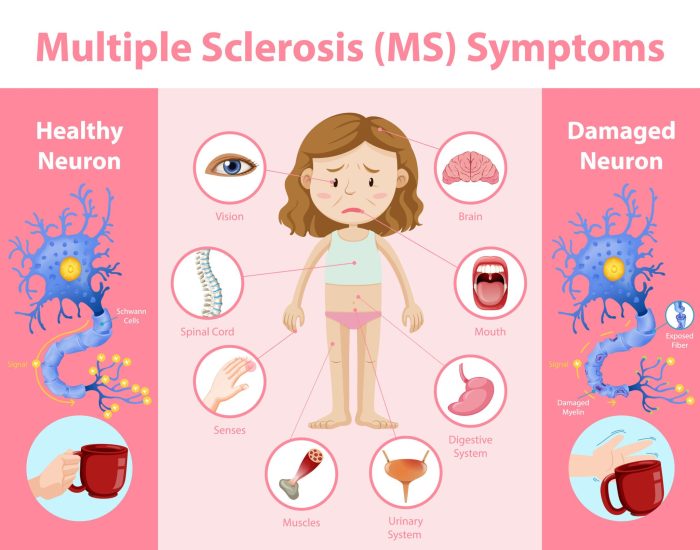
Understanding these symptoms is essential for managing life with MS, whether you’re an ice cream aficionado or a default vanilla lover.The symptoms of MS can be more unpredictable than a toddler with a sugar rush. Common manifestations include fatigue, visual disturbances, motor control issues, and cognitive challenges. They can emerge as a single episode or wave in and out like an enthusiastic tide.

Each type of MS—be it Relapsing-Remitting MS, Primary Progressive MS, or Secondary Progressive MS—can present its own unique set of symptoms, making the experience akin to playing a never-ending game of symptom roulette.

Common Symptoms of Multiple Sclerosis

When it comes to MS, some symptoms are more common than a pizza delivery on a Friday night. Here’s a deeper dive into the usual suspects:

  • Fatigue: This isn’t just your average “I stayed up too late” tired; it’s more like running a marathon in your sleep. MS fatigue can hit like a freight train, leaving individuals feeling as if they’ve run out of battery life, even after a full night’s sleep.
  • Visual Disturbances: Blurred or double vision can make you feel like you’ve just stepped off a funhouse mirror ride. This symptom arises from inflammation of the optic nerve and can vary dramatically in duration and intensity.
  • Motor Control Issues: You may find yourself channeling your inner toddler, with clumsiness or difficulty walking. It’s as if your body forgot the choreography to the dance of life, leaving you doing the awkward shuffle instead.
  • Cognitive Challenges: Cognitive fog can make even the simplest tasks feel like trying to solve a Rubik’s Cube blindfolded. Issues with memory, attention, and processing speed can pop up unexpectedly.
  • Sensory Changes: Tingling, numbness, or “pins and needles” sensations can be as surprising as finding an extra fry at the bottom of the bag. These sensations often occur in the limbs and can be fleeting or persistent.

Differentiating Symptoms by Type of MS

The type of MS one is diagnosed with can dramatically shape the symptom experience, much like how the type of pizza (thin crust, deep dish, or gluten-free) can affect your dining delight. Here’s a quick guide:

  • Relapsing-Remitting MS (RRMS): Characterized by flare-ups of new symptoms or worsening of old ones, followed by periods of recovery. It’s like a roller coaster, with ups and downs that can leave you dizzy.
  • Primary Progressive MS (PPMS): This type is a steady climb, with gradual worsening of symptoms from the outset without relapses. Think of it as a slow-pouring cup of coffee—consistent but with a definite kick.
  • Secondary Progressive MS (SPMS): This often follows an initial relapsing-remitting course and is marked by a gradual intensification of symptoms and disability over time. It’s like finding out your favorite show has been canceled—disappointing but sadly predictable.

Variability of Symptoms Among Individuals

Each person with MS is unique, exhibiting a distinct combination of symptoms that can change over time. This variability can make it feel like you’re trying to predict the weather in a tropical storm: unpredictable, often sunny, but occasionally torrential. Factors influencing this variability can include:

  • Genetics: Your genetic makeup can play a significant role in how MS manifests. Some folks may have a milder course while others may experience more severe symptoms.
  • Age of Onset: Younger patients often experience different symptoms compared to those diagnosed later in life. It’s like the difference between being handed a Lego set at age six versus age sixteen—one might be a bit easier to manage!
  • Overall Health: Pre-existing conditions or lifestyle choices can influence symptom severity. Someone with a more active lifestyle may cope differently than someone who is more sedentary.

“MS is not a one-size-fits-all condition; it’s more like a custom-tailored suit—fits some perfectly, but can be a little snug for others!”

Keep in mind that the MS journey is as individual as a snowflake; no two experiences are alike, and that’s what makes the community both challenging and fascinating. Embrace the quirks, take it one day at a time, and don’t forget to laugh along the way!

Health Implications of MS

Multiple Sclerosis (MS) isn’t just a fancy medical term tossed around at cocktail parties; it’s a condition that can impact every facet of daily living. Think of it as an unwelcome guest that overstays its welcome, showing up at the most inconvenient times. MS symptoms can throw a wrench into even the simplest of tasks, affecting mobility, energy levels, and cognitive functions.

As a result, individuals may find themselves trading in their hiking boots for a cozy couch where the remote control becomes their best friend. The health implications of MS extend far beyond physical limitations, often leading to a tangled web of mental health challenges. When your body feels like it’s playing an uninvited game of Twister, it’s no wonder that anxiety and depression can sneak in like an uninvited guest.

Those fatigue-fueled days can leave people feeling less like vibrant humans and more like the soggy end of a sponge.

Impact of MS Symptoms on Daily Living and Quality of Life

Navigating life with MS can feel like trying to juggle flaming torches while riding a unicycle—it’s a delicate balance that can easily be disrupted. Symptoms can impact everything from going grocery shopping to enjoying a leisurely walk in the park. Here are several ways MS can change the daily landscape:

  • Mobility Challenges: For many, getting from point A to point B can require a battle plan worthy of a military operation. Balance issues and muscle weakness can make even the most straightforward errands feel like a hike up Mount Everest.
  • Fatigue Overload: Forget about “powering through” or “pushing through”—MS fatigue is like that clingy friend who just won’t let go. It can hit you like a freight train, making plans feel more like a chore than a choice.
  • Cognitive Fog: Known affectionately as “MS fog,” this can create a haze where even the simplest of tasks feel like solving a Rubik’s Cube blindfolded. Remembering names, organizing thoughts, or even following a conversation can sometimes be a Herculean task.
  • Social Impact: The unpredictability of MS symptoms can lead to social withdrawal. Friends may not understand, and isolation can creep in, making the world feel like a secluded island.

“Living with MS is like being on a roller coaster—there are highs, lows, and times when you just want to get off!”

Relationship Between MS Symptoms and Mental Health Issues

The intertwining of MS symptoms and mental health is like a well-rehearsed duet that nobody wanted to hear. The challenges presented by MS can lead to a considerable uptick in feelings of anxiety and depression. When your physical body feels like it’s constantly battling against itself, mental well-being can take a backseat. Here’s how they relate:

  • Emotional Roller Coaster: The unpredictability of MS can cause emotional turmoil, leading to anxiety over potential flare-ups and what tomorrow might bring.
  • Depressive Symptoms: Constant fatigue and physical limitations may lead to feelings of hopelessness, making it hard to see the silver lining in any cloud.
  • Social Isolation: Withdrawal from social activities often stems from the fear of being judged or not understood, exacerbating feelings of loneliness and despair.
  • Compounding Stress: The stress of managing a chronic illness can lead to an overwhelming sense of pressure, igniting mental health issues and creating a vicious cycle.

Management of MS Symptoms Alongside Other Health Conditions

Managing MS involves a comprehensive approach that takes into account the potential for coexisting health conditions, like diabetes. Picture it like running a three-ring circus; you’ve got to juggle the elephants (MS), the clowns (diabetes), and the tightrope walkers (mental health) all at once. Here are some strategies to harmonously manage these conditions:

  • Integrated Care Plans: Collaborating with healthcare providers to create a tailored plan that addresses both MS and diabetes can help streamline treatment and reduce complications.
  • Balanced Diet: Nutrition plays a vital role in managing both conditions. A healthy diet can positively affect energy levels, mood, and overall well-being—think of it as a buffet where everyone is friends.
  • Regular Exercise: Engaging in physical activity, as recommended by healthcare providers, can enhance mobility and mental health, acting like a superhero cape for your well-being.
  • Mindfulness and Stress Management: Techniques such as yoga, meditation, or even a good old-fashioned laugh fest with friends can help reduce stress and improve mental health, making the circus feel a little less chaotic.

Treatment and Management Strategies

Sclerosis multiple symptoms main illustration

Living with Multiple Sclerosis (MS) can feel like trying to juggle flaming swords while riding a unicycle on a tightrope. But fear not! There are various treatment options available that can help you maintain your balance and keep those swords (and symptoms) at bay. From medication to lifestyle changes, let’s dive into how to manage those pesky MS symptoms like a pro.

Current Treatment Options for Alleviating MS Symptoms

There is a smorgasbord of treatment options available for individuals dealing with MS symptoms. They range from pharmacological therapies to lifestyle modifications. The primary aim is to alleviate symptoms and enhance the quality of life. Here are some notable treatments:

  • Disease-Modifying Therapies (DMTs): These are the heavyweights in the ring, aiming to slow the progression of MS. Medications like interferons (Avonex, Rebif) and monoclonal antibodies (Ocrevus, Tysabri) help reduce the frequency of flare-ups and delay disability.
  • Steroids: When symptoms flare up like a bad case of acne during prom season, corticosteroids such as methylprednisolone can help reduce inflammation and manage those acute attacks.
  • Symptomatic Treatments: Think of these as the trusty sidekicks. Medications like baclofen, gabapentin, and amantadine are used to tackle specific symptoms, like muscle spasms and fatigue.

Lifestyle Changes and Exercises Beneficial for Managing MS Symptoms

While medications do their magic, lifestyle changes can add a sprinkle of fairy dust to your MS management plan. Here’s a guide to making those changes a reality:Engaging in regular exercise is like giving your body a VIP pass to the wellness club. It doesn’t need to be an Ironman competition! Gentle physical activities can significantly ease MS symptoms. Here are some recommended lifestyle changes and exercises:

  • Exercise Regularly: Low-impact activities like swimming, yoga, and walking can improve your mobility and reduce fatigue.
  • Maintain a Healthy Diet: A balanced diet rich in fruits, vegetables, lean proteins, and healthy fats can boost your immune system. Think of it as fuel for your superhero powers!
  • Stay Hydrated: Drinking plenty of water keeps your body functioning like a well-oiled machine. Dehydration can exacerbate fatigue, so make water your best friend.
  • Stress Reduction: Techniques such as meditation, mindfulness, or even a good laugh (yes, laughter is therapeutic) can help keep stress levels in check.

Effectiveness of Various Therapies for Treating MS Symptoms

In the grand arena of MS treatment, different therapies can take center stage for symptom management. Evaluating the effectiveness of these therapies can help determine the best personal approach. Here’s how some of them stack up:

Therapy Type Effectiveness Notes
Emotional Freedom Techniques (EFT) Moderately effective Some users report improved emotional well-being and reduced stress levels, making them feel like they’ve just conquered a dragon.
Physical Rehabilitation Highly effective Structured physical therapy helps improve mobility, strength, and balance, akin to having a personal trainer who doubles as a cheerleader.
Cognitive Behavioral Therapy (CBT) Effective This therapy can help manage anxiety and depression, allowing individuals to tackle MS with a positive mindset and maybe even a cape!

“Managing MS is about finding a balance between treatments, lifestyle adjustments, and a sprinkle of humor!”

Outcome Summary

MS symptoms

As we wrap up our exploration of MS symptoms, it’s clear that while they can be as annoying as a mosquito buzzing in your ear, understanding them can empower those affected. We’ve danced through daily challenges, treatment strategies, and lifestyle changes that can make a world of difference. Remember, while MS brings its own set of hurdles, knowledge and support can help turn those hurdles into mere speed bumps on the road to living life to the fullest!

FAQ

What are the most common MS symptoms?

Common MS symptoms include fatigue, numbness, difficulty walking, and blurred vision—basically, your body’s way of keeping you on your toes!

Can MS symptoms change over time?

Absolutely! MS symptoms can evolve like a plot twist in a soap opera, sometimes improving, sometimes worsening, depending on the individual and their treatment.

How does MS affect mental health?

MS can lead to mental health issues such as anxiety and depression, often stemming from the stress of coping with the unpredictable nature of the condition.

Are there lifestyle changes that can help manage MS symptoms?

Yes! Regular exercise, a balanced diet, and stress management techniques can all help keep those MS symptoms in check. It’s like giving your body a pep talk!

Is there a cure for MS?

Unfortunately, there’s no cure for MS yet, but treatments can help manage symptoms and slow the progression. Hope is on the horizon!