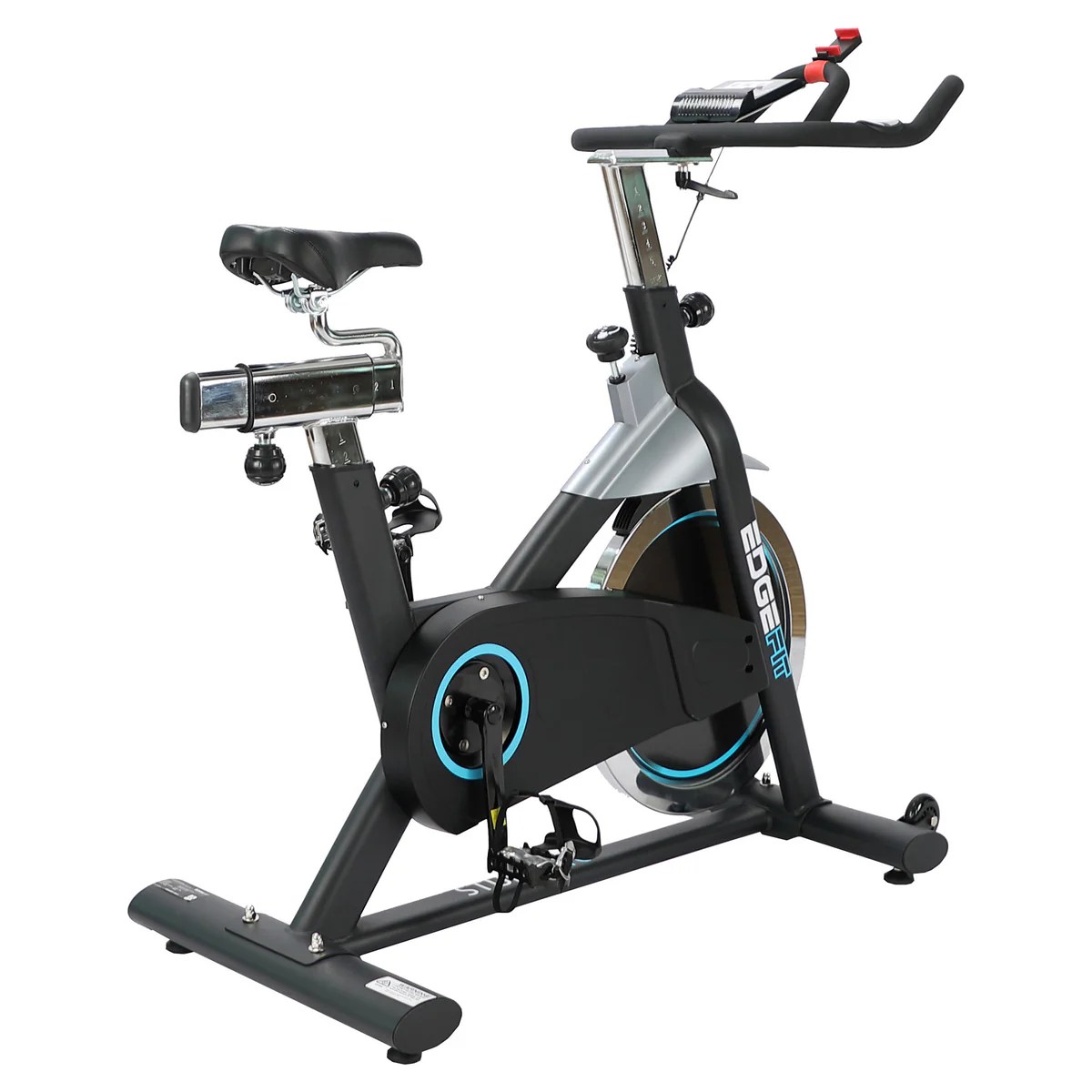
Exercise bike the cardio companion you never knew you needed

Exercise bike

Picture this: you’re pedaling away on your trusty exercise bike, the wind in your hair (or maybe just the ceiling fan blowing), while your favorite tunes pump you up. An exercise bike isn’t just a piece of furniture you hang clothes on; it’s your ticket to heart-pounding health and the secret weapon in your battle against the bulge! Get ready to explore the wondrous world of exercise bikes, where calories go to die and endorphins throw a wild party!

From boosting your cardiovascular health to being a superhero for those with disabilities, exercise bikes are the unsung champions of fitness. We’ll dive into how these two-wheeled wonders aid in weight management, cater to health conditions like diabetes, and ensure you maintain your ergonomics while pretending you’re in the Tour de France. So, gear up for a ride that’s as informative as it is entertaining!

Benefits of Using an Exercise Bike

Jumping on an exercise bike isn’t just about pedaling in place while you ponder the meaning of life—it’s about sprinting toward cardiovascular health, weight management, and low-impact workouts that even your great-aunt Edna would applaud! Buckle your helmet; we’re about to dive into the delightful world of exercise bikes, where sweat is your best accessory.

Cardiovascular Health Contribution

Riding an exercise bike is like sending your heart to a spa day, but without the cucumber slices on your eyes! Regular cycling gets your heart pumping and blood flowing, which can lead to a plethora of cardiovascular benefits. This rhythmic pedaling can help lower blood pressure, enhance circulation, and even improve cholesterol levels. Studies show that incorporating cycling into your routine can reduce the risk of heart disease by up to 50%.

Just imagine, while you’re spinning those wheels, your heart is doing a happy dance!

“Cycling is a great way to strengthen your heart and keep those arteries happy!”

Impact on Weight Management

An exercise bike is your secret weapon in the battle against the bulge. Not only does it provide a workout that torches calories, but it also helps to regulate metabolism, making it easier to manage your weight. Pedaling at a moderate pace can burn approximately 400-600 calories an hour, depending on your intensity level. Whether you’re churning through a Netflix series or daydreaming about your next snack, you’re actively working off those extra calories!Low-impact workouts like cycling are particularly useful for those who may have joint concerns or restrictions.

For instance, a 30-minute session three times a week can lead to significant weight loss over time. Couple this with a balanced diet, and you’re not just pedaling—you’re cruising down the highway to a healthier you!

Advantages for Individuals with Disabilities

Exercise bikes aren’t just for the fit and fabulous; they also offer incredible benefits for individuals with disabilities or mobility issues. The low-impact nature of cycling minimizes strain on joints, making it a friendly option for those with arthritis or chronic pain. Moreover, exercise bikes can be adjusted to accommodate various fitness levels and physical limitations, providing an inclusive workout experience.Engaging in regular cycling can boost mood, enhance mobility, and increase independence.

Many rehabilitation programs incorporate stationary cycling as a way to improve strength and endurance in a safe environment. Picture someone regaining strength and confidence, pedaling their way toward a brighter and more active future!

“The exercise bike: where wheels meet wellness, and everyone can join the ride!”

Exercise Bikes and Health Conditions

Exercise bike

Exercise bikes aren’t just for fitness aficionados looking to shed a few pounds or tone up; they can be life-changing machines for those managing health conditions. Their stationary nature makes them an ideal choice for individuals facing various health challenges, allowing for a controlled and safe exercise environment. Let’s dive into how these two-wheeled wonders can assist in managing specific health conditions with a sprinkle of humor to keep things lively!

Exercise Bikes and Diabetes Management

Individuals with diabetes often have to juggle their blood sugar levels like a circus performer balancing flaming torches. Fortunately, riding an exercise bike can help stabilize those levels while giving you a front-row seat to the most exhilarating show of your life: your own sweat production! Regular cycling aids in controlling blood glucose by improving insulin sensitivity and promoting weight loss.

Here are some insights on how exercise bikes play a pivotal role:

  • Consistent Activity: Regular cycling helps maintain steady activity levels, which is key in managing diabetes.
  • Weight Management: Cycling burns calories, which can help with weight loss and lower overall insulin resistance.
  • Cardiovascular Health: Improved cardiovascular fitness lowers the risk of heart disease, a common complication for those with diabetes.

“Exercise is a celebration of what your body can do, not a punishment for what you ate.”

Cycling Benefits for Multiple Sclerosis

Multiple sclerosis (MS) can feel like a game of Whac-A-Mole, where symptoms appear unexpectedly, leaving individuals scrambling for relief. However, an exercise bike can be a reliable ally in this battle, providing a low-impact workout that can enhance strength, flexibility, and endurance. Here are some notable benefits of cycling for those with MS:

  • Improved Mobility: Regular cycling helps maintain and improve mobility, countering the fatigue and stiffness that often accompany MS.
  • Enhanced Mood: Exercise releases endorphins, acting as a natural mood booster—a perfect antidote to the emotional rollercoaster of living with a chronic condition.
  • Adaptive Options: Many exercise bikes come equipped with adjustable features, allowing for personalized setups that cater to individual needs and comfort levels.

“Movement is a medicine for creating change in a person’s physical, emotional, and mental states.”

Exercise Bikes in Combatting Obesity and Related Diseases

In the battle against obesity and the myriad of diseases that follow like shadowy sidekicks—think diabetes, hypertension, and heart disease—exercise bikes stand as trusty steeds. They are not just machines; they are gateways to a healthier lifestyle. Let’s look at how they contribute to this fight:

  • Calorie Burning: An hour on an exercise bike can burn anywhere from 400 to 600 calories, depending on the intensity. That’s a whole pizza worth of calories—just kidding, kind of!
  • Accessibility: For those less inclined to hit the gym or go for a run, exercise bikes offer a cozy, familiar territory. You can pedal away while watching TV or reading a book—the ultimate multitasking!
  • Consistency Leads to Results: Sticking to a regular cycling routine fosters long-term weight loss and health improvements, leading to a more vibrant life.

“The journey of a thousand miles begins with one pedal stroke.”

Importance of Ergonomics in Exercise Bike Usage
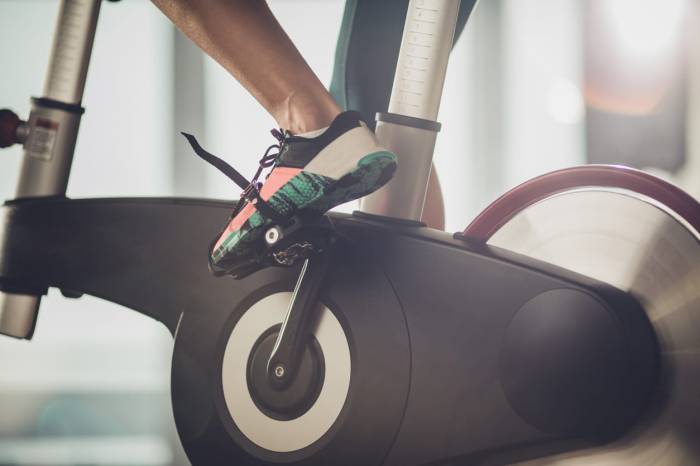
Bike spin bikes exercise indoor cycling stationary what buy out 2020 peloton stock need avoid injuries purchasing consider things when

When it comes to pedaling away the calories, you want to ensure that your bike is as friendly to your body as a puppy with a wagging tail. Ergonomics—the study of people’s efficiency in their working environment—plays a crucial role in making sure those cycling sessions don’t leave you feeling like you’ve been run over by a truck. A well-designed exercise bike can prevent injuries, enhance performance, and make your workouts a whole lot more enjoyable.Proper ergonomic design in fitness equipment is vital for preventing injuries that could turn your cycling adventure into a painful saga.

Poor posture or ill-fitting equipment can lead to discomfort or even chronic injuries that could have you walking like a crab for weeks. A properly designed bike helps maintain the natural alignment of your body, which is essential for optimal performance and injury prevention. After all, nobody wants to be the person who has to explain to their doctor that they hurt themselves from wildly incorrect cycling posture!

Guide on Proper Posture and Adjustment Settings

Getting the right posture while cycling is akin to finding the perfect pizza topping—it’s essential for a satisfying experience! Adjusting your bike properly enhances comfort, boosts performance, and prevents those pesky injuries that seem to sneak up on you like a cat in a cardboard box. Here’s how to ensure you’re set up for success:

  • Seat Height: Adjust the seat so that your knee is slightly bent at the bottom of the pedal stroke. If your leg is too straight, you’re basically asking your knees to do gymnastics they’re not trained for!
  • Seat Position: The front-to-back seat adjustment should allow your knee to be directly above the pedal when your foot is at the 3 o’clock position. No one wants to become a knee pretzel!
  • Handlebar Height: Set the handlebars at a level where you can reach them comfortably without straining or hunching over. If you feel like a contortionist while trying to grab the handlebars, it’s time to make a change!

Comparison of Exercise Bikes Regarding Ergonomic Features

Not all exercise bikes are created equal, much like how not all superheroes wear capes. Some bikes come with features that can make your experience smoother than a buttered slide, while others may leave you feeling like you’re riding a medieval torture device. Here’s a comparison of different types of exercise bikes and their ergonomic features, ensuring you’re equipped with the right knowledge for your next bike purchase!

Type of Exercise Bike Ergonomic Feature Comfort Level
Upright Bike Adjustable seat height and handlebars for optimal posture Good
Recumbent Bike Reclined seating position reduces back strain Excellent
Spin Bike Customizable saddle and handlebar height for intense workouts Moderate
Hybrid Bike Combination of upright and recumbent features for versatility Very Good

Concluding Remarks

In conclusion, whether you’re looking to shed pounds, improve your health, or simply enjoy the thrill of cycling without the fear of road rage, the exercise bike is your new best friend. With its ergonomic features and numerous benefits, it’s time to embrace this indoor cycling adventure that promises not only to get your heart racing but also to add a sprinkle of fun to your workout routine.

So hop on, pedal away, and let the good times roll!

FAQ Compilation

How often should I use an exercise bike?

For optimal results, aim for at least 150 minutes of moderate exercise each week, which could be broken down into 30-minute sessions five times a week!

Can I use an exercise bike if I have joint pain?

Absolutely! Exercise bikes offer a low-impact workout that is gentle on your joints while still providing a great cardiovascular workout.

What’s the difference between upright and recumbent exercise bikes?

Upright bikes mimic a traditional bike position, giving you a more intense workout, while recumbent bikes provide back support, making them perfect for a leisurely ride.

How can I stay motivated to use my exercise bike?

Mix it up with music, podcasts, or virtual cycling classes, and reward yourself for reaching milestones—like a snack that’s not a protein bar once in a while!

Do exercise bikes really help with weight loss?

Yes! When paired with a balanced diet, regular sessions on an exercise bike can torch calories and help you reach your weight loss goals.


Endurance training Your Ticket to a Healthier You

Endurance training

Welcome to the exhilarating world of Endurance training, where sweat is just your body’s way of crying happy tears! Picture yourself galloping along like a gazelle or pedaling furiously like a hamster on its wheel—this is where fitness becomes fun. Endurance training isn’t just about running marathons or cycling until your legs feel like jelly; it’s a magical potion for your heart, lungs, and even your mood!

From long-distance running that makes you feel like a superhero to cycling that turns your legs into well-oiled machines, endurance training offers a buffet of benefits. Get ready to explore how this joyful journey not only boosts your cardiovascular health but also serves as a secret weapon against chronic diseases—think of it as the Swiss Army knife of fitness!

Endurance Training Basics

Endurance training is like the trusty old tortoise in the famous fable, teaching us that slow and steady wins the race. It’s all about building the capacity of our heart, muscles, and lungs to sustain prolonged physical activity without throwing in the towel. This training method is essential not just for athletes but for anyone wanting to improve their overall physical fitness and health.Understanding the principles of endurance training is vital.

At its core, this type of training focuses on improving aerobic capacity, increasing stamina, and making your cardiovascular system work more efficiently. By engaging in activities that elevate your heart rate for extended periods, you can enhance your body’s ability to utilize oxygen effectively, which is crucial for sustaining long workouts or sports events.

Types of Endurance Training Methods

To get the most out of endurance training, it’s important to explore various methods that cater to different preferences and fitness levels. Here are some popular endurance training techniques:

  • Long-Distance Running: This classic method involves steady, prolonged running sessions that can range from a few miles to marathons. It’s like a Netflix binge-watch but for your legs—just endless and fulfilling.
  • Cycling: Whether on a stationary bike or cycling through scenic routes, this method is easier on the joints and works wonders for your cardiovascular health. Plus, it’s an excellent excuse to wear those spandex shorts!
  • Swimming: A total body workout that’s low impact and refreshing, swimming laps can improve lung capacity and muscular endurance. Just mind the hairdo; you’ll come out looking like a drowned rat.
  • Rowing: This method combines upper and lower body strength with cardiovascular endurance. It’s like a full-body workout with the added bonus of pretending you’re on an epic seafaring adventure.

Engaging in these types of endurance training not only boosts stamina but also reaps substantial cardiovascular benefits.

Effects of Endurance Training on Cardiovascular Health

The impact of endurance training on cardiovascular health is akin to giving your heart a fitness degree. It strengthens the heart muscle, making it pump more efficiently, which improves blood circulation and reduces the risk of heart disease. Here’s how endurance training positively affects cardiovascular health:

  • Reduces Blood Pressure: Regular aerobic exercise can help to lower resting blood pressure, making you feel like the coolest cucumber in a salad.
  • Improves Cholesterol Levels: It can boost high-density lipoprotein (HDL) cholesterol, which is the “good” cholesterol. Think of HDL as the friendly bouncer keeping out the nasty LDL cholesterol from your arteries.
  • Enhances Blood Vessel Function: Training can improve endothelial function, which helps blood vessels dilate more easily, ensuring that your heart gets the VIP treatment it deserves.
  • Reduces Inflammation: Regular participation in endurance activities decreases markers of inflammation in the body, making your insides feel like a well-oiled machine.

Engaging in endurance training not only makes you a contender for that next marathon but also equips your body with the tools to combat chronic illnesses, ultimately paving the way for a healthier, longer life.

Endurance Training and Health

Endurance training

Endurance training is not just for marathon runners or those with a penchant for long-distance torture; it plays a vital role in managing health conditions and improving overall well-being. Whether you’re aiming to skate on the thin ice of diabetes, navigate the choppy waters of disabilities, or wrestle with chronic diseases like Multiple Sclerosis, endurance training can be your trusty life raft!

Endurance Training and Managing Diabetes

Engaging in endurance training can have a direct impact on managing diabetes. Regular aerobic exercises help regulate blood sugar levels and enhance insulin sensitivity. Here’s how it works:

  • Improved insulin sensitivity: Regular training makes your cells more effective at responding to insulin. This means your body can utilize glucose better, lowering blood sugar levels.
  • Weight management: With endurance training, burning calories becomes second nature. Maintaining a healthy weight is crucial for diabetes management.
  • Lower risk of complications: Engaging in regular endurance activities can reduce the risk of diabetes-related complications, such as heart disease and neuropathy.

“Endurance training is like having a Swiss Army knife for diabetes management—versatile and can tackle multiple issues at once!”

Endurance Training and Individuals with Disabilities

Endurance training is not just a one-size-fits-all approach; it can be modified to accommodate individuals with disabilities. The beauty of endurance training lies in its flexibility and adaptability, allowing almost anyone to participate, regardless of their physical limitations.

  • Enhanced mobility: Regular endurance training can strengthen muscles and improve coordination, leading to greater mobility and independence.
  • Boosted cardiovascular health: Engaging in cardiovascular exercises can benefit heart health, reducing the risk of heart disease—an important factor for everyone, including those with disabilities.
  • Mental well-being: Physical activity, including endurance training, releases endorphins that help improve mood and reduce feelings of anxiety and depression.

“Endurance training can turn ‘I can’t’ into ‘I can!’—one pedal stroke or push-up at a time.”

Endurance Training Benefits for Chronic Diseases like Multiple Sclerosis

For individuals faced with chronic diseases like Multiple Sclerosis (MS), endurance training can be a game changer. Despite the challenges posed by MS, engaging in regular aerobic activities can yield significant health benefits.

  • Increased stamina: Regular endurance training can help combat fatigue, a common issue for individuals with MS, by improving energy levels.
  • Improved mobility: Endurance training can assist in maintaining or improving mobility, which may be affected by MS.
  • Enhanced quality of life: Exercise can help mitigate symptoms and promote a sense of accomplishment, leading to a better overall quality of life.

“Endurance training for those with MS is like adding rocket fuel to a matchstick—igniting potential that may have seemed impossible.”

Additional Considerations in Endurance Training

Endurance training

Endurance training is not just about running until your legs turn to jelly; it’s a multi-faceted approach that includes nutrition, health considerations, and the right gear for the job. Just like a car needs fuel to keep going, your body craves the right nutrients to power through those long hauls. And let’s not forget how our senses—yes, even your trusty peepers and your attentive ears—play a role in achieving peak performance.

Nutrition in Enhancing Endurance Performance

Fueling your body properly is akin to choosing the right kind of gasoline for your high-performance sports car. You wouldn’t fill a Ferrari with regular unleaded! The right balance of carbohydrates, proteins, and fats is essential to keep you running (or cycling or swimming) at peak performance. Consuming the right nutrients before, during, and after your training can significantly improve your endurance.

  • Carbohydrates: These are your body’s primary energy source. Think of carbs as the high-octane fuel that keeps your engine running smoothly. Aim for complex carbs like whole grains, fruits, and vegetables.
  • Proteins: They help repair and build muscle tissues. After a long run, protein acts like a team of tiny mechanics fixing up your muscles. Incorporate lean meats, fish, legumes, and dairy in your diet.
  • Fats: Healthy fats are the backup generators of endurance training. They kick in for energy during prolonged activities. Avocados, nuts, and olive oil should be your best friends!

“Nutrition is the unsung hero of endurance training, whispering sweet nothings to your energy levels and recovery!”

Interaction with Hearing Health and Vision

Endurance training doesn’t just sculpt your muscles; it also has curious interactions with your sensory health. With that rhythm of heavy breathing and pounding feet, don’t forget to pay attention to your hearing and vision. Excessive noise during training, such as blaring music or bustling environments, can create long-term hearing issues. Additionally, the physical strain of endurance activities can affect your vision temporarily or even lead to issues like eye strain.

  • Hearing Health: Consistent exposure to high decibel levels can damage your hearing. Consider using earplugs in noisy environments or keeping the volume down on your workout playlist. Your ears will thank you!
  • Vision Health: Long-distance running can sometimes lead to dry eyes or fatigue. Make sure to stay hydrated and consider wearing protective eyewear, particularly if you train outdoors. Your peepers need protection from both the sun and the wind!

Common Fitness Equipment for Endurance Training

Selecting the right gear can make a world of difference in your endurance training journey. Here’s a handy table that lists common fitness equipment and their benefits, ensuring you’re fully equipped for your next challenge:

Equipment Benefits
Treadmill Perfect for simulating outdoor runs, allowing for pace control and incline adjustments.
Stationary Bike Great for low-impact cardio workouts, helping to build leg strength without stressing the joints.
Rowing Machine Full-body workout that combines cardio and strength, engaging multiple muscle groups.
Jump Rope Excellent for improving coordination and cardiovascular endurance, with minimal equipment needed.
Resistance Bands Versatile for strength training and can be used anywhere, enhancing overall muscle endurance.

Closure

So, as we wrap up this wild ride through the realm of Endurance training, remember that with every drop of sweat, you’re investing in a healthier, happier you. Whether you’re managing diabetes, powering through disabilities, or simply looking to outrun that last slice of pizza, endurance training is your best buddy. Lace up those sneakers, grab your bike, and let’s embrace the burn together—who knew getting fit could be this much fun?

FAQ Explained

What is the best way to start endurance training?

Begin with short distances and gradually increase your time or distance to avoid burnout and injury.

How often should I do endurance training?

Aim for at least 3-5 times a week, mixing different activities for a balanced approach.

Can endurance training help with weight loss?

Absolutely! It boosts metabolism and burns calories, helping you shed those extra pounds.

Is it okay to do endurance training if I have joint issues?

Consult with a healthcare provider, but low-impact activities like swimming or cycling can be very beneficial.

How can I improve my endurance?

Incorporate interval training and ensure proper nutrition; your body loves a good fuel-up!