Mobility aids Unleashing Freedom and Fun in Motion

Mobility aids

Welcome to the magical world of Mobility aids, where rolling, strolling, and zipping around isn’t just a dream but a reality! If you’ve ever thought that moving around was a chore, think again! Mobility aids are here to flip the script, transforming how individuals with mobility challenges navigate their lives. With everything from snazzy scooters to reliable wheelchairs, these gadgets are like having a personal assistant that doesn’t complain about coffee breaks.

They’re not just about wheels and handles; they represent a leap into a life filled with independence and joy. As we delve into the wondrous varieties of mobility aids, such as walkers that practically beg to be used and scooters that zoom past boredom, we will also explore how tech innovations have turbocharged their effectiveness. So buckle up (or should I say, roll on?), as we embark on this journey through the realm of mobility!

Mobility Aids Overview
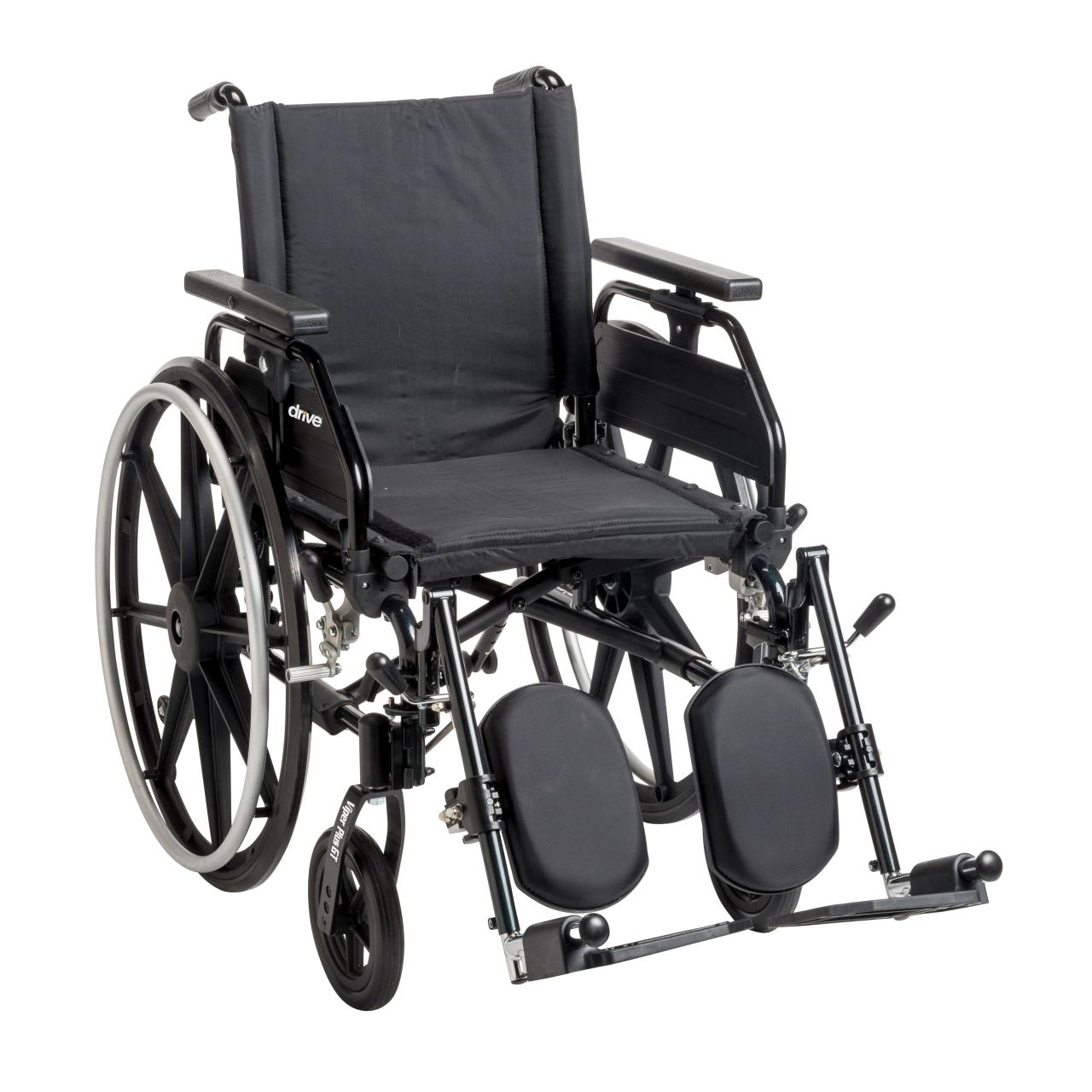
Mobility aids

Mobility aids are the trusty sidekicks of those who face mobility challenges, acting not just as tools but as gateways to independence and enhanced quality of life. With a sprinkle of technology and a dash of innovation, these aids help individuals navigate their daily adventures, from grocery shopping to Sunday strolls, with confidence and ease. Mobility aids come in various forms, each designed to cater to different needs and lifestyles, ensuring that everyone can find their perfect companion.

The most common types include wheelchairs, walkers, and scooters, each offering unique features and benefits. Let’s take a closer look at these aids that make the world a little more accessible.

Types of Mobility Aids

Understanding the types of mobility aids is crucial as they serve different purposes and support various levels of mobility. Here’s a detailed overview of the most popular options available:

  • Wheelchairs: The classic mobility champion, wheelchairs come in manual and powered varieties. Manual wheelchairs require a little muscle power, while powered versions come equipped with batteries, making them perfect for those who fancy a bit of a zoom. Imagine zipping through the park with the wind in your hair!
  • Walkers: These trusty contraptions provide stability and support for individuals who need a little extra help on their feet. With wheels or without, they offer a sturdy frame for users to lean on while making their way from one destination to another. Plus, they often come with a handy seat for a quick rest, perfect for those spontaneous fountain-gazing breaks.

  • Scooters: Think of mobility scooters as the luxury cars of mobility aids, complete with comfortable seating and the ability to navigate various terrains. They’re great for longer distances and can often handle curbs like they’re merely a bump in the road. You can even accessorize them with baskets to carry your shopping like a true mobility mogul!

Technological Advancements in Mobility Aids

The evolution of mobility aids has been nothing short of revolutionary, with technology paving the way for enhanced user experiences. Innovations in design and functionality mean that today’s mobility aids are not only more efficient but also more user-friendly and stylish. For instance, many wheelchairs now come equipped with smart technology that can assist with navigation and obstacle detection, ensuring a smoother ride.

Some models even integrate fitness tracking features, allowing users to monitor their health while on the go. Walkers have also jumped on the tech bandwagon, with models featuring built-in sensors that alert users when they’re swaying or losing balance, providing an extra layer of safety. And let’s not forget about electric scooters, which have transformed into compact, high-speed machines that often come with Bluetooth capabilities, allowing users to connect their devices for music or navigation assistance.

These advancements not only enhance mobility but also empower users, granting them the freedom to explore their surroundings like never before.

“Mobility aids are not just tools; they are gateways to independence and confidence.”

Health Implications of Mobility Aids

Mobility aids are not just fancy gadgets that help individuals get from point A to point B; they’re life-enhancing tools that can significantly impact health outcomes, especially for those with disabilities. Whether it’s a sleek scooter zipping through the park or a trusty walker trotting down the sidewalk, these aids can be the difference between feeling trapped at home and embracing the great outdoors.

Let’s dive into the health implications of mobility aids and uncover their multifaceted roles in supporting physical and emotional well-being.

Impact on Health Outcomes in Individuals with Disabilities

The relationship between mobility aids and health outcomes is as vital as peanut butter is to jelly—essential and complementary. For individuals with disabilities, mobility aids can lead to improved physical health, increased independence, and a boost in overall quality of life. Studies suggest that regular use of mobility aids can help in reducing the risk of complications related to immobility, such as pressure sores and muscle atrophy.

For instance, a study published in the Journal of Rehabilitation Research showed that individuals who actively use mobility aids experience fewer hospitalizations and better overall health metrics compared to those who don’t. This can be attributed to increased physical activity, which in turn improves cardiovascular health, enhances endurance, and supports weight management.

“Mobility aids are not just accessories; they are lifelines that enable individuals to reclaim their freedom and improve their health outcomes.”

Managing Health Conditions with Mobility Aids

Mobility aids play a significant role in managing specific health conditions like diabetes and multiple sclerosis. For individuals living with diabetes, maintaining regular physical activity is crucial for managing blood sugar levels. Mobility aids, such as scooters or rollators, allow those with mobility challenges to engage in exercise more easily, contributing to better glycemic control and a reduced risk of diabetes-related complications.In the case of multiple sclerosis, a condition that can often lead to fatigue and limited mobility, appropriate mobility aids can make a world of difference.

These aids help individuals conserve energy and maintain independence, allowing them to continue with daily activities without overextending themselves. Research indicates that using mobility aids can lead to improved functional mobility and reduced fatigue, enhancing both physical and emotional health.

Psychological Benefits of Mobility Aids

The psychological benefits of using mobility aids are as profound as discovering a hidden stash of cookies—unexpected yet delightful! When individuals gain the freedom to move, their emotional well-being often flourishes. The ability to navigate one’s environment independently can significantly reduce feelings of isolation and depression. For many, mobility aids serve as a bridge connecting them back to social interactions, hobbies, and the simple joys of life.

Here are some notable psychological benefits:

  • Enhanced confidence: Mobility aids can help individuals feel more secure in their physical capabilities, leading to increased self-esteem.
  • Social engagement: With greater mobility, individuals are more likely to participate in social activities, reducing feelings of loneliness.
  • Improved mental health: Regular movement and social interaction can combat feelings of anxiety and depression.
  • Empowerment: Having control over one’s mobility fosters a sense of autonomy and independence, critical for mental well-being.

As a result, mobility aids are not merely tools; they are enablers of a richer, more fulfilling life. Empowering individuals to navigate their world not only supports their physical health but also nurtures their emotional resilience and happiness. The right mobility aid can provide the freedom to explore, connect, and live life to the fullest, making it an invaluable ally in the journey of health.

Mobility Aids and Lifestyle Adaptations

Mobility aids

Integrating mobility aids into daily routines isn’t just about practicality; it can also bring a burst of joy and a dash of pizzazz to everyday life. Think of mobility aids as trusty sidekicks—always ready to lend a helping hand (or wheel) while you navigate the thrilling rollercoaster of daily activities. Whether it’s a shiny new walker or an ultra-cool scooter, these aids are here to transform your life, one step at a time!Understanding how different mobility aids perform in various environments is essential for crafting a lifestyle that feels seamless and liberating.

The effectiveness of mobility aids varies widely depending on the surroundings—your home, workplace, or that bustling public space where everyone has perfected their own version of a synchronized dance. Selecting the right mobility aid can make a world of difference, and with the right maintenance, you can ensure your trusty companion sticks around for the long haul.

Integration Strategies for Mobility Aids

Integrating mobility aids into your daily routine can be as smooth as butter on hot toast, provided you have a strategy in place. Here are some insightful tips to help you embrace your mobility aid like a pro:

  • Identify High-Use Areas: Understand where you spend most of your time. If your favorite spot is the couch, ensure your mobility aid is easily accessible, like a superhero ready to leap into action.
  • Create a Routine: Establish a morning routine that incorporates your mobility aid. For example, use a cane during your morning walk to the kitchen for coffee—after all, caffeine waits for no one!
  • Practice Makes Perfect: Spend time getting familiar with your mobility aid. Whether it’s scooting around the living room or practicing turns in the hallway, the more comfortable you are, the more confident you’ll feel.
  • Involve Loved Ones: Invite family or friends to join you in your mobility adventures. Not only does it provide moral support, but it can also lead to laughter-filled moments that make life more enjoyable.

Effectiveness of Mobility Aids in Different Environments

The environment in which you use mobility aids greatly influences their effectiveness. Mobility aids can transform from mere tools to indispensable allies depending on the surroundings. Here’s a breakdown of how different aids perform in various settings:

  • At Home: Walkers and rollators shine in spacious homes, allowing for easy navigation. They often come equipped with handy baskets for snacks—because who doesn’t want a snack on the go?
  • In the Workplace: Wheelchairs often excel in office settings, enabling mobility around desks and conference rooms. Just remember to steer clear of the coffee machine during peak hours; it can be a treacherous obstacle course!
  • Public Spaces: Scooters are the rock stars of public areas, providing both speed and a touch of flair. Whether zooming through the grocery store or gliding along the park, they make getting around a breeze.

Best Practices for Maintaining Mobility Aids

To ensure your mobility aid is always in tip-top shape, a little TLC goes a long way. Proper maintenance not only extends the life of your aid but also ensures your safety during use. Here are some essential practices:

  • Regular Inspections: Check all moving parts regularly for wear and tear. A squeaky wheel is a cry for help, so don’t ignore it!
  • Keep It Clean: Whether it’s dusting off a cane or giving your scooter a scrub, keeping your mobility aid clean can prevent unwanted buildup and ensure smoother rides.
  • Adjust and Secure: Make sure all height adjustments are secure and appropriately set for your comfort. It’s like getting a bespoke suit, tailored just for you!
  • Battery Care (for Electric Aids): For electric scooters or wheelchairs, charge the battery regularly and store it in a cool place. No one wants their mobility aid to run out of juice at the wrong moment!

Final Thoughts

In conclusion, mobility aids are more than just tools; they are companions in the grand adventure of life! By embracing these wonderful inventions, individuals can reclaim their freedom and reconnect with their passions. From enhancing health outcomes to boosting emotional well-being, the impact of mobility aids is profound. So next time you see someone cruising by in a wheelchair or striding confidently with a walker, remember – they’re not just moving; they’re living life to the fullest!

Clarifying Questions

What are mobility aids?

Mobility aids are tools designed to assist individuals with mobility challenges, helping them move more freely and independently.

How can mobility aids improve health?

By providing support and enabling movement, mobility aids can help manage health conditions and enhance overall well-being.

Are there different types of mobility aids?

Yes, common types include wheelchairs, scooters, walkers, and canes, each designed for specific needs and environments.

Can mobility aids help with emotional well-being?

Absolutely! Using mobility aids can increase confidence and independence, positively influencing mental health.

How do I maintain my mobility aid?

Regularly check for wear and tear, clean it as recommended, and ensure all parts are functioning properly to ensure longevity.


Diabetes medications Your quirky guide to control

Diabetes medication

Diabetes medications dive into the wild world of blood sugar management, where pills, shots, and potions come together to keep our bodies in harmony. Whether you’re a type 1 superhero or a type 2 warrior, understanding your arsenal of medications is key to winning the battle against high glucose levels. From sulfonylureas to SGLT2 inhibitors, let’s unravel the colorful cast of characters that make up this intriguing saga of sugar control.

As we explore each medication’s secret superpowers—how they work and their side effects—we’ll also uncover the vital role that sticking to your regimen plays in this epic tale. Spoiler alert: skipping doses is like forgetting to charge your superhero suit; it just doesn’t work as well!

Overview of Diabetes Medications

Diabetes medications are like the superheroes of the diabetes management world, swooping in to save the day when blood sugar levels go rogue. With a plethora of options available, each medication has its own unique set of powers and mechanisms to help keep diabetes in check. Understanding these different types can feel a bit like trying to decipher a superhero comic book, but fear not! We’ll break it down into bite-sized, digestible chunks—just like those pesky sugar molecules we’re working to control.The landscape of diabetes medications is broad, with classes that include insulin, sulfonylureas, biguanides, GLP-1 receptor agonists, SGLT2 inhibitors, and more.

Each class operates through specific mechanisms that directly impact the body’s ability to manage glucose levels. Adherence to these medications is crucial for effective diabetes management, akin to a sidekick ensuring the hero always has their cape on before heading into battle. Let’s take a closer look at these medication classes and how they function.

Types of Diabetes Medications

The diversity in diabetes medications is as vast as the array of flavors in a candy shop (minus the sugar rush!). Understanding how each type works can empower patients to make informed choices. Here’s a quick rundown of the main classes of diabetes medications:

  • Insulin: The classic superhero of diabetes treatment, insulin works by allowing glucose to enter the cells for energy. It’s essential for Type 1 diabetes and also used in advanced Type 2 cases. Think of it as the key that unlocks the cell doors.
  • Sulfonylureas: This class encourages the pancreas to produce more insulin. They’re like the motivational coaches of the pancreas, giving it a pep talk to boost its insulin output. Popular examples include glipizide and glyburide.
  • Biguanides: Metformin, the star of this group, tackles insulin resistance and reduces liver glucose production. It’s like the bouncer at the glucose club, ensuring only the right amount gets in. Notably, it also has cardiovascular benefits!
  • GLP-1 Receptor Agonists: These medications mimic the incretin hormone, enhancing insulin secretion and reducing appetite. They’re basically the culinary experts of the diabetes world, telling the body when to eat less and when to get down to business.
  • SGLT2 Inhibitors: By preventing glucose reabsorption in the kidneys, this class helps lower blood sugar levels effectively. Imagine them as the diligent janitors, sweeping away excess glucose and keeping those blood sugar levels tidy.

The importance of medication adherence cannot be overstated in diabetes management. Skipping doses or abandoning treatment can lead to blood sugar levels resembling a rollercoaster ride—full of ups and downs, and not the fun kind either. Maintaining consistency helps ensure that these medications can do their job effectively, helping patients thrive in their daily lives while keeping diabetes at bay.

“Consistency is key—just like your morning coffee!”

Health Implications Related to Diabetes Medications

When it comes to managing diabetes, medications can be lifesavers, but they can also come with a side of risks that you might not have ordered. Just like a mysterious dish at a restaurant, it’s important to know what’s cooking before you dig in. Understanding the health implications related to diabetes medications isn’t just smart; it’s essential for ensuring that your journey with diabetes is as smooth as a well-oiled machine… or at least a well-oiled bicycle!

Potential Side Effects and Health Risks

Diving into the world of diabetes medications is like jumping into a pool of jelly; it’s sweet but you might just get stuck! Each class of diabetes medications has its quirks and side effects that can leave you feeling a bit jelly-like yourself. Common side effects include gastrointestinal disturbances, weight gain, and low blood sugar incidents. The potential risks associated with these medications can sometimes be as alarming as finding out your favorite ice cream shop has run out of your go-to flavor.

For instance, certain medications, particularly sulfonylureas and insulin, can lead to hypoglycemia, which is when your blood sugar dips faster than a rollercoaster. Additionally, some medications may affect kidney function or increase heart disease risk, so it’s prudent to keep an eye on those vital signs—just like you would keep an eye on a mischievous cat in a room full of breakables!

Diabetes Medications and Heart Disease

The relationship between diabetes medications and heart disease is as intricate as a suspenseful plot twist in a mystery novel. Some medications, like GLP-1 receptor agonists and SGLT-2 inhibitors, have been shown to offer protective benefits against heart problems. Understanding this relationship is crucial, especially since people with diabetes are at a higher risk for heart disease compared to those without it.

Here’s what you need to know:

  • GLP-1 Receptor Agonists: These medications may help reduce the risk of major cardiovascular events, making them a favorite among cardiologists and diabetologists alike.
  • SGLT-2 Inhibitors: Apart from lowering blood sugar, these little wonders can also help reduce blood pressure and promote weight loss, leading to a healthier heart.

But don’t be fooled; not all diabetes medications come with a heart-healthy badge. It’s essential to consult with your healthcare provider to select the right one for your individual needs, like picking the perfect avocado at the grocery store!

Diabetes Medications and Kidney Function

When discussing kidney function, diabetes medications can play a pivotal role, much like a good sidekick in your favorite superhero movie. Some medications can either protect your kidneys or, in some cases, lead to complications. For example, SGLT-2 inhibitors not only lower blood sugar but also have been shown to slow the progression of kidney disease in diabetic patients. Here’s a brief rundown of how diabetes medications interact with kidney health:

  • Protective Benefits: Medications like SGLT-2 inhibitors offer a dual action—keeping blood sugar in check while also protecting the kidneys.
  • Monitoring is Key: Regular kidney function tests are essential to ensure that the medications you’re on are not causing more harm than good.

This relationship can be as complicated as assembling IKEA furniture, so it’s crucial to have a guide (a knowledgeable healthcare professional) to navigate through the maze!

Diabetes Medications and Associated Health Issues

Managing diabetes is seldom a solo endeavor; it often comes hand in hand with other health concerns, like multiple sclerosis or even hearing loss. While these conditions may seem worlds apart, the interconnectedness of our health systems is astonishing. For example, some studies suggest that diabetes medications may influence inflammatory processes that could impact conditions like multiple sclerosis, with potential benefits emerging from specific medications.

Moreover, diabetes can often exacerbate hearing loss, with some diabetes medications showing potential protective effects. It just goes to show that even in the world of diabetes management, every pill has its place in the grand scheme of health.

  • Potential Impact on Inflammation: Certain diabetes medications may help in reducing inflammation that affects multiple sclerosis.
  • Hearing Protection: Ongoing research indicates that managing diabetes effectively can prevent or delay hearing loss.

In the end, navigating the health implications related to diabetes medications is like decoding a complex recipe; it requires careful consideration, the right ingredients, and a dash of humor to keep things light!

Lifestyle Factors in Diabetes Management

Diabetes medications

Managing diabetes isn’t just about popping pills or giving yourself shots like a pro. It’s about adopting a lifestyle that complements your medication, making sure your body gets the love it needs while keeping those blood sugar levels in check. Think of it as a team effort, with you, your meds, and your lifestyle working together like a well-oiled machine.

Strap in; it’s time to talk about the nitty-gritty of living your best life with diabetes!

Integrating Exercise into Diabetes Management Plans

Exercise is like that quirky friend who always shows up uninvited but leaves you feeling great after they leave. Physical activity plays a crucial role in managing diabetes, as it helps the body use insulin more effectively, improves blood sugar control, and even boosts mood. Here’s how you can integrate exercise into your daily routine without feeling like you’re training for the next Olympic Games:To make exercise a habit, consider the following strategies:

  • Start Small: Even a brisk 10-minute walk counts. Gradually increase the duration as your fitness improves. Remember, every little bit helps!
  • Find Your Groove: Choose activities you enjoy—dancing, swimming, or even chasing your dog around the park. If it feels like fun, you’re more likely to stick with it!
  • Buddy Up: Grab a friend or family member to join you. You can motivate each other and maybe even share a laugh (or two) while breaking a sweat.
  • Mix It Up: Combine cardio, strength training, and flexibility exercises to keep it interesting and well-rounded. Who says you can’t have a dance party while lifting weights?
  • Set Goals: Whether it’s running a 5K or just getting up from the couch more often, having clear goals can keep you focused and committed.

Nutrition for Diabetes Management

Nutrition is the cornerstone of diabetes management, and what you eat can either make you feel like a superhero or a sleepy sloth. A well-balanced diet not only supports your medication but also promotes healthy blood sugar levels. Here are some dietary strategies that can help you keep your diabetes in check:Understanding the importance of nutrition involves considering the following elements:

  • Carbohydrate Counting: Learning to count carbs can help you manage your blood sugar levels effectively. Think of it as a game where the goal is to keep your numbers in check!
  • Whole Foods Over Processed: Opt for whole grains, fruits, vegetables, and lean proteins. These foods are generally lower in sugar and higher in nutrients, giving your body what it craves.
  • Portion Control: Keeping an eye on portion sizes can help prevent overeating and subsequent blood sugar spikes. It’s like having a personal bouncer for your plate!
  • Stay Hydrated: Water is your best friend. It aids in digestion and can help regulate blood sugar levels. Plus, it’s calorie-free—win-win!
  • Plan Ahead: Meal prepping can save time and ensure you have healthy options on hand, making it less likely to fall into the takeout trap when hunger strikes.

Mental Health and Emotional Freedom Techniques

Mental health is often the unsung hero in diabetes management. Stress, anxiety, and emotional turmoil can wreak havoc on blood sugar levels, making it vital to include mental well-being in your health strategy. Techniques like mindfulness and Emotional Freedom Techniques (EFT) can be game-changers. Here’s how focusing on your mental health can enhance your diabetes care:The impact of mental health on diabetes management involves recognizing the following points:

  • Stress Reduction: High stress can lead to elevated blood sugar levels. Practices like meditation, deep breathing, and yoga can help you chill out and improve your overall health.
  • EFT Tapping: Tapping on specific meridian points while focusing on stressors can help release emotional blockages. It sounds wacky, but many swear by its effectiveness!
  • Emotional Awareness: Recognizing and addressing your feelings around diabetes can reduce anxiety and lead to better management. Knowledge is power, even when it comes to feelings!
  • Support Systems: Connecting with others who understand your struggles—whether through support groups or online communities—can provide comfort and motivation.
  • Professional Help: Sometimes, talking to a mental health professional can provide clarity and coping strategies that enhance your ability to manage diabetes.

End of Discussion

Diabetes medication

As we wrap up this delightful journey through the realm of diabetes medications, remember that the path to effective diabetes management isn’t just paved with prescriptions. It’s a lively mix of lifestyle changes, nutritional choices, and a sprinkle of mental health magic! So, embrace your medication journey with a smile and a dash of humor, and take charge like the diabetes conqueror you are!

FAQs

What are the most common types of diabetes medications?

The most common types include metformin, sulfonylureas, GLP-1 agonists, and insulin, each with their own unique way of helping manage blood sugar.

Are diabetes medications safe for everyone?

Not necessarily! Some medications may not be suitable for individuals with certain health conditions, so always consult your healthcare provider.

Can I take diabetes medications with other prescriptions?

Yes, but it’s crucial to inform your doctor about all medications you’re taking to avoid any potential interactions.

How quickly do diabetes medications start to work?

It varies by medication; some, like insulin, can work within minutes, while others may take days or weeks to show their full effects.

Do I still need to monitor my blood sugar if I’m on medication?

Absolutely! Even with medications, keeping an eye on your blood sugar levels is vital for effective diabetes management.