
MS early signs Unraveling the Mysterious Symptoms

MS early signs

Welcome to the whimsical world of MS early signs, where our bodies play hide and seek with symptoms that can mislead even the best detectives! Imagine your body as an unsolved mystery novel, each chapter revealing quirky clues that could hint at the presence of Multiple Sclerosis. Is that a tingling in your toes or just your feet being dramatic?

Let’s embark on this intriguing quest to decipher the early signs of MS and equip ourselves with the knowledge to decode this cryptic puzzle.

As we navigate through this enigma, we’ll shine a light on the common early symptoms that may vary like a box of chocolates — you never know what you’re gonna get! From fatigue that sneaks up on you like a cat on a hot tin roof to those occasional wobbly moments that make you feel like Bambi on ice, understanding these signs is the first step toward seeking medical evaluation and getting back on track.

Early Signs of Multiple Sclerosis

MS early signs

Multiple Sclerosis (MS) can be as sneaky as a cat burglar in the night, tiptoeing around your body and leaving behind peculiar signs that something might be off. Identifying the early symptoms of MS is crucial, as it allows for timely medical intervention and support. Like a secret decoder ring for your body, recognizing these signs can help you get on the road to better health faster than you can say “myelin sheath”!The early signs of MS can be as varied as an eclectic playlist.

Each individual’s experience with MS differs, making it a unique journey for everyone. While some may notice a tingling sensation akin to sitting on your foot for too long, others might find themselves feeling fatigued like they just ran a marathon—one that lasted all day and involved waiting in line for coffee. Here are some common early symptoms to keep an eye out for:

Common Early Symptoms of Multiple Sclerosis

Understanding the common early symptoms of MS can help in recognizing when it’s time to seek medical evaluation. These symptoms often emerge suddenly and can vary greatly from person to person.

  • Fatigue: A sense of exhaustion that even a triple espresso can’t shake. This is not your average tiredness; it’s a fatigue that can leave you feeling like you’ve just binge-watched an entire season of your favorite show without blinking.
  • Numbness or Tingling: Often described as feeling like your leg fell asleep but with a lingering sense of “what’s happening?” This sensation can occur in various parts of the body, including arms, legs, or even your face.
  • Vision Problems: Blurred or double vision might creep in like an uninvited guest at a party. Optic neuritis, or inflammation of the optic nerve, may also cause pain and temporary vision loss.
  • Balance and Coordination Issues: Feeling like you’re walking on a tightrope? Trouble maintaining balance can signal that something is off, leading to a more graceful waddle than a confident stride.
  • Muscle Weakness: You might feel like you’ve just done an intense workout with no actual workout involved. Weakness often appears in the legs or arms, making it a challenge to perform everyday tasks.
  • Difficulty Concentrating: Commonly referred to as “brain fog,” this might leave you feeling like you’ve stepped into a cloud of confusion, attempting to remember what you walked into the room for.

Recognizing these symptoms early on can make a significant difference in management and treatment. If you start noticing a combination of these signs, it’s time to schedule a medical evaluation. Doctors will often conduct a thorough examination, including neurological assessments and imaging tests, to get to the bottom of what’s going on.

Early detection is key in managing Multiple Sclerosis effectively, much like a superhero swooping in to save the day.

Health Implications Related to MS

Multiple Sclerosis (MS) is not just a neurological rollercoaster; it comes with a host of health implications that can make your day-to-day life feel like you’re navigating a minefield in a game of dodgeball. Among the most significant concerns is how MS interacts with other conditions, particularly diabetes, and how it can complicate overall health and emotional well-being.

Relationship Between MS and Diabetes

The coexistence of Multiple Sclerosis and diabetes presents a complex health challenge. The two conditions can exacerbate one another, creating a waltz of complications that’s anything but graceful. When MS is mixed with diabetes, your body may face an uphill battle that often results in increased fatigue and cognitive challenges.

Metabolic Issues

MS can alter your metabolism, making blood sugar management more difficult. Think of it as your body suddenly deciding to throw a surprise party and forgetting to send out invites to insulin.

Increased Risk of Complications

Both MS and diabetes can lead to nerve damage. When combined, they may increase the risk of neuropathy and other complications. It’s like inviting two guests with a penchant for chaos to the same party—there’s bound to be drama.

Impact on Treatment

The management of diabetes can be complicated by MS therapies. Some MS medications can affect blood sugar levels, requiring close monitoring and potential adjustments in diabetes treatment plans.

Influence of MS on Overall Health and Disability Considerations

Living with MS can feel like having a permanent backstage pass to the physical realm of challenges. Each symptom may add another layer of disability consideration, making it crucial to understand how MS can influence overall health.

Mobility Issues

As MS progresses, mobility can become a significant concern. This might necessitate the use of assistive devices, which can come with their own set of challenges and adaptations.

Fatigue and Daily Activities

Chronic fatigue is a hallmark of MS, often limiting participation in everyday activities and social engagements. One might liken it to trying to run a marathon while wearing flip-flops—exhausting and precarious.

Healthcare Navigation

The complexity of managing MS often requires a cohesive care team. This means navigating appointments with neurologists, physical therapists, and potentially diabetes specialists, akin to squeezing through a crowded concert venue just to find your friends.

Interactions with Other Diseases and Conditions

Multiple Sclerosis doesn’t operate alone; it often mingles with other conditions such as eczema and emotional health issues, which can compound the health implications one faces.

Eczema

The skin condition eczema can flare up due to stress or changes in immune function—both of which can be exacerbated by MS. This creates a scenario where skin irritation adds to an already inflamed situation.

Emotional Health

The emotional toll of living with MS is significant, leading to higher rates of anxiety and depression. The unpredictable nature of MS symptoms can lead to a constant state of stress, like waiting for the next curveball in a game that already has too many twists.

Cognitive Function

Cognitive challenges can also arise with MS, affecting memory and processing speed. Juggling these cognitive tasks while managing other health conditions can feel like trying to solve a Rubik’s cube—while blindfolded.The interplay of Multiple Sclerosis with other health conditions not only complicates physical health but also presents emotional hurdles that require attention and care. Understanding these implications is crucial for effective management and improving quality of life.

Lifestyle Considerations for MS Management

MS early signs

Managing multiple sclerosis (MS) is not just about the medications and doctor visits; it’s also about the lifestyle choices that can significantly influence the quality of life. Think of it as a daily dance where you can choose to glide gracefully or do the cha-cha with your symptoms. Here, we’ll explore some effective exercise routines, dietary guidelines, and environmental considerations that can all play a crucial role in managing MS.

Effective Exercise Routines and Fitness Equipment

Exercise can be a game-changer for individuals with MS, helping to improve strength, flexibility, and overall well-being. When it comes to fitness, having the right equipment can make all the difference. Incorporating low-impact exercises into your routine can help you stay active without overexerting yourself.Consider the following fitness equipment recommendations that can benefit individuals with MS:

  • Resistance Bands: These colorful bands are not just for the gym anymore! They provide gentle resistance, making them perfect for strength training without the need for heavy weights. They’re like the superhero sidekick in your fitness journey.
  • Stationary Bikes: A stationary bike can be a wonderful option for getting your cardio in without stressing your joints. Bonus points if you can find one with a cushy seat that feels like sitting on a cloud.
  • Yoga Mats: Whether you’re doing gentle stretches or downward dogs, a good yoga mat can provide the support you need. Plus, they come in fun colors and patterns that add some style to your exercise routine.
  • Hand Weights: Light hand weights can help improve upper body strength. Just be cautious—you don’t want to accidentally launch them into orbit!

Dietary Guidelines for MS Management

Eating right is like giving your body a high-five from the inside out! Proper nutrition can help manage symptoms and improve health. There are certain dietary guidelines that individuals with MS may consider adopting to feel their best.Here are some dietary considerations that can help:

  • Anti-Inflammatory Foods: Incorporate foods like fatty fish (salmon, mackerel), leafy greens, and nuts that can help reduce inflammation. It’s like having a party in your body where the guests are all good-for-you foods!
  • Hydration: Staying hydrated is crucial for overall health. Aim for at least 8 glasses of water a day. If plain water is too boring, jazz it up with a slice of lemon or a few berries!
  • Vitamin D: Consider foods rich in Vitamin D, like fortified dairy products and egg yolks. Have some fun with your eggs—maybe a little omelet party?
  • High-Fiber Foods: Whole grains, fruits, and vegetables can aid digestion and overall health. Think of fiber as the friendly neighborhood traffic cop keeping everything moving smoothly!

Environmental Issues and Mitigation Strategies

The environment around us can greatly impact individuals with MS. Being aware of potential environmental triggers and taking steps to mitigate these risks is essential. It’s like being an environmental detective: investigating potential threats and finding solutions.Consider the following environmental issues and mitigation strategies:

  • Heat Sensitivity: Many people with MS experience exacerbated symptoms in high temperatures. To combat this, aim to stay cool—consider air conditioning, cool showers, or even a fan. It’s like creating your personal arctic zone!
  • Sun Exposure: While Vitamin D is important, overexposure to the sun can be risky. Always wear sunscreen and consider protective clothing if you’re spending time outdoors. Remember, sunburns are not a trendy accessory!
  • Indoor Air Quality: Poor indoor air can worsen symptoms. Ensure proper ventilation and consider air purifiers. Think of it as creating a fresh breath sanctuary in your home.
  • Stress Management: Environmental stressors can impact MS symptoms. Engage in stress-relieving activities such as meditation or nature walks—because who doesn’t feel better in a beautiful park?

Closing Notes

In conclusion, navigating the landscape of MS early signs can feel like trying to solve a Rubik’s Cube blindfolded. But fear not! Armed with knowledge and a sprinkle of humor, you’re now better prepared to recognize those elusive symptoms and take charge of your health. Remember, whether it’s seeking a medical evaluation or just having a friendly chat with your body, every little insight counts toward unmasking this mysterious condition.

So, keep your detective hat on and stay curious!

Key Questions Answered

What are the first symptoms of MS?

The first signs can include fatigue, numbness, tingling, and difficulty with coordination or balance, among others.

Can MS symptoms be mistaken for other conditions?

Absolutely! Many early symptoms of MS can mimic other illnesses, making it essential to consult a healthcare professional for an accurate diagnosis.

How quickly do MS symptoms progress?

Progression varies widely; some may experience rapid changes, while others have a slower onset. Regular monitoring is key!

Is MS hereditary?

While genetics can play a role, having a family history of MS does not guarantee you will develop the condition.

Can lifestyle changes help with MS symptoms?

Yes! Regular exercise, a balanced diet, and stress management can significantly improve quality of life for those with MS.

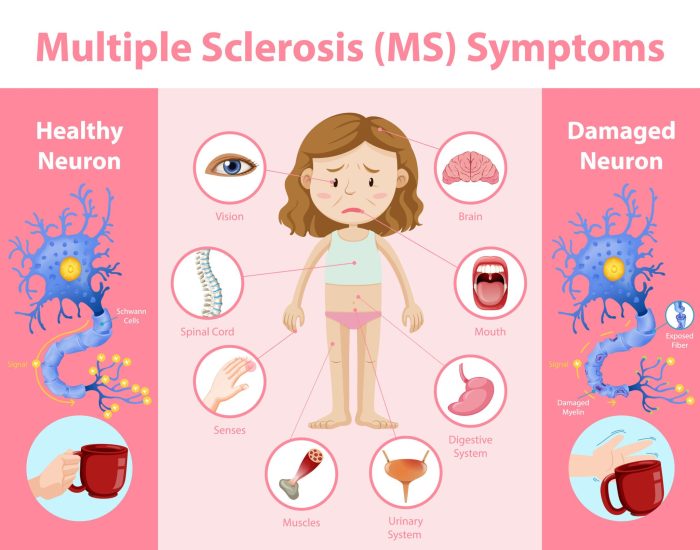
MS symptoms the rollercoaster ride of life

MS symptoms

MS symptoms are like surprise guests at a party—uninvited and often unpredictable! They can swing from fatigue that feels like carrying the weight of a thousand elephants to tingling sensations that make you feel like you’ve just been zapped by a lightning bolt. In this delightfully chaotic journey through Multiple Sclerosis, we’ll break down the common symptoms, the delightful differences between various types of MS, and how no two journeys are the same—because who doesn’t love a bit of variety in life?

But it doesn’t stop there! We’ll also dive into how these pesky symptoms influence daily living, quality of life, and even play a role in mental health. Plus, we’ll touch on how to tango with other health conditions like diabetes while managing MS. So, buckle up—it’s going to be a wild ride!

MS Symptoms Overview

Multiple Sclerosis (MS) is a condition that’s about as straightforward as a cat trying to fit into a box that’s too small. It’s a complex tapestry of symptoms that vary widely from person to person, much like different flavors of ice cream. Some people experience more of the fruity sorbet variety, while others are drowning in a rich chocolate fudge.

Understanding these symptoms is essential for managing life with MS, whether you’re an ice cream aficionado or a default vanilla lover.The symptoms of MS can be more unpredictable than a toddler with a sugar rush. Common manifestations include fatigue, visual disturbances, motor control issues, and cognitive challenges. They can emerge as a single episode or wave in and out like an enthusiastic tide.

Each type of MS—be it Relapsing-Remitting MS, Primary Progressive MS, or Secondary Progressive MS—can present its own unique set of symptoms, making the experience akin to playing a never-ending game of symptom roulette.

Common Symptoms of Multiple Sclerosis

When it comes to MS, some symptoms are more common than a pizza delivery on a Friday night. Here’s a deeper dive into the usual suspects:

  • Fatigue: This isn’t just your average “I stayed up too late” tired; it’s more like running a marathon in your sleep. MS fatigue can hit like a freight train, leaving individuals feeling as if they’ve run out of battery life, even after a full night’s sleep.
  • Visual Disturbances: Blurred or double vision can make you feel like you’ve just stepped off a funhouse mirror ride. This symptom arises from inflammation of the optic nerve and can vary dramatically in duration and intensity.
  • Motor Control Issues: You may find yourself channeling your inner toddler, with clumsiness or difficulty walking. It’s as if your body forgot the choreography to the dance of life, leaving you doing the awkward shuffle instead.
  • Cognitive Challenges: Cognitive fog can make even the simplest tasks feel like trying to solve a Rubik’s Cube blindfolded. Issues with memory, attention, and processing speed can pop up unexpectedly.
  • Sensory Changes: Tingling, numbness, or “pins and needles” sensations can be as surprising as finding an extra fry at the bottom of the bag. These sensations often occur in the limbs and can be fleeting or persistent.

Differentiating Symptoms by Type of MS

The type of MS one is diagnosed with can dramatically shape the symptom experience, much like how the type of pizza (thin crust, deep dish, or gluten-free) can affect your dining delight. Here’s a quick guide:

  • Relapsing-Remitting MS (RRMS): Characterized by flare-ups of new symptoms or worsening of old ones, followed by periods of recovery. It’s like a roller coaster, with ups and downs that can leave you dizzy.
  • Primary Progressive MS (PPMS): This type is a steady climb, with gradual worsening of symptoms from the outset without relapses. Think of it as a slow-pouring cup of coffee—consistent but with a definite kick.
  • Secondary Progressive MS (SPMS): This often follows an initial relapsing-remitting course and is marked by a gradual intensification of symptoms and disability over time. It’s like finding out your favorite show has been canceled—disappointing but sadly predictable.

Variability of Symptoms Among Individuals

Each person with MS is unique, exhibiting a distinct combination of symptoms that can change over time. This variability can make it feel like you’re trying to predict the weather in a tropical storm: unpredictable, often sunny, but occasionally torrential. Factors influencing this variability can include:

  • Genetics: Your genetic makeup can play a significant role in how MS manifests. Some folks may have a milder course while others may experience more severe symptoms.
  • Age of Onset: Younger patients often experience different symptoms compared to those diagnosed later in life. It’s like the difference between being handed a Lego set at age six versus age sixteen—one might be a bit easier to manage!
  • Overall Health: Pre-existing conditions or lifestyle choices can influence symptom severity. Someone with a more active lifestyle may cope differently than someone who is more sedentary.

“MS is not a one-size-fits-all condition; it’s more like a custom-tailored suit—fits some perfectly, but can be a little snug for others!”

Keep in mind that the MS journey is as individual as a snowflake; no two experiences are alike, and that’s what makes the community both challenging and fascinating. Embrace the quirks, take it one day at a time, and don’t forget to laugh along the way!

Health Implications of MS

Multiple Sclerosis (MS) isn’t just a fancy medical term tossed around at cocktail parties; it’s a condition that can impact every facet of daily living. Think of it as an unwelcome guest that overstays its welcome, showing up at the most inconvenient times. MS symptoms can throw a wrench into even the simplest of tasks, affecting mobility, energy levels, and cognitive functions.

As a result, individuals may find themselves trading in their hiking boots for a cozy couch where the remote control becomes their best friend. The health implications of MS extend far beyond physical limitations, often leading to a tangled web of mental health challenges. When your body feels like it’s playing an uninvited game of Twister, it’s no wonder that anxiety and depression can sneak in like an uninvited guest.

Those fatigue-fueled days can leave people feeling less like vibrant humans and more like the soggy end of a sponge.

Impact of MS Symptoms on Daily Living and Quality of Life

Navigating life with MS can feel like trying to juggle flaming torches while riding a unicycle—it’s a delicate balance that can easily be disrupted. Symptoms can impact everything from going grocery shopping to enjoying a leisurely walk in the park. Here are several ways MS can change the daily landscape:

  • Mobility Challenges: For many, getting from point A to point B can require a battle plan worthy of a military operation. Balance issues and muscle weakness can make even the most straightforward errands feel like a hike up Mount Everest.
  • Fatigue Overload: Forget about “powering through” or “pushing through”—MS fatigue is like that clingy friend who just won’t let go. It can hit you like a freight train, making plans feel more like a chore than a choice.
  • Cognitive Fog: Known affectionately as “MS fog,” this can create a haze where even the simplest of tasks feel like solving a Rubik’s Cube blindfolded. Remembering names, organizing thoughts, or even following a conversation can sometimes be a Herculean task.
  • Social Impact: The unpredictability of MS symptoms can lead to social withdrawal. Friends may not understand, and isolation can creep in, making the world feel like a secluded island.

“Living with MS is like being on a roller coaster—there are highs, lows, and times when you just want to get off!”

Relationship Between MS Symptoms and Mental Health Issues

The intertwining of MS symptoms and mental health is like a well-rehearsed duet that nobody wanted to hear. The challenges presented by MS can lead to a considerable uptick in feelings of anxiety and depression. When your physical body feels like it’s constantly battling against itself, mental well-being can take a backseat. Here’s how they relate:

  • Emotional Roller Coaster: The unpredictability of MS can cause emotional turmoil, leading to anxiety over potential flare-ups and what tomorrow might bring.
  • Depressive Symptoms: Constant fatigue and physical limitations may lead to feelings of hopelessness, making it hard to see the silver lining in any cloud.
  • Social Isolation: Withdrawal from social activities often stems from the fear of being judged or not understood, exacerbating feelings of loneliness and despair.
  • Compounding Stress: The stress of managing a chronic illness can lead to an overwhelming sense of pressure, igniting mental health issues and creating a vicious cycle.

Management of MS Symptoms Alongside Other Health Conditions

Managing MS involves a comprehensive approach that takes into account the potential for coexisting health conditions, like diabetes. Picture it like running a three-ring circus; you’ve got to juggle the elephants (MS), the clowns (diabetes), and the tightrope walkers (mental health) all at once. Here are some strategies to harmonously manage these conditions:

  • Integrated Care Plans: Collaborating with healthcare providers to create a tailored plan that addresses both MS and diabetes can help streamline treatment and reduce complications.
  • Balanced Diet: Nutrition plays a vital role in managing both conditions. A healthy diet can positively affect energy levels, mood, and overall well-being—think of it as a buffet where everyone is friends.
  • Regular Exercise: Engaging in physical activity, as recommended by healthcare providers, can enhance mobility and mental health, acting like a superhero cape for your well-being.
  • Mindfulness and Stress Management: Techniques such as yoga, meditation, or even a good old-fashioned laugh fest with friends can help reduce stress and improve mental health, making the circus feel a little less chaotic.

Treatment and Management Strategies

Sclerosis multiple symptoms main illustration

Living with Multiple Sclerosis (MS) can feel like trying to juggle flaming swords while riding a unicycle on a tightrope. But fear not! There are various treatment options available that can help you maintain your balance and keep those swords (and symptoms) at bay. From medication to lifestyle changes, let’s dive into how to manage those pesky MS symptoms like a pro.

Current Treatment Options for Alleviating MS Symptoms

There is a smorgasbord of treatment options available for individuals dealing with MS symptoms. They range from pharmacological therapies to lifestyle modifications. The primary aim is to alleviate symptoms and enhance the quality of life. Here are some notable treatments:

  • Disease-Modifying Therapies (DMTs): These are the heavyweights in the ring, aiming to slow the progression of MS. Medications like interferons (Avonex, Rebif) and monoclonal antibodies (Ocrevus, Tysabri) help reduce the frequency of flare-ups and delay disability.
  • Steroids: When symptoms flare up like a bad case of acne during prom season, corticosteroids such as methylprednisolone can help reduce inflammation and manage those acute attacks.
  • Symptomatic Treatments: Think of these as the trusty sidekicks. Medications like baclofen, gabapentin, and amantadine are used to tackle specific symptoms, like muscle spasms and fatigue.

Lifestyle Changes and Exercises Beneficial for Managing MS Symptoms

While medications do their magic, lifestyle changes can add a sprinkle of fairy dust to your MS management plan. Here’s a guide to making those changes a reality:Engaging in regular exercise is like giving your body a VIP pass to the wellness club. It doesn’t need to be an Ironman competition! Gentle physical activities can significantly ease MS symptoms. Here are some recommended lifestyle changes and exercises:

  • Exercise Regularly: Low-impact activities like swimming, yoga, and walking can improve your mobility and reduce fatigue.
  • Maintain a Healthy Diet: A balanced diet rich in fruits, vegetables, lean proteins, and healthy fats can boost your immune system. Think of it as fuel for your superhero powers!
  • Stay Hydrated: Drinking plenty of water keeps your body functioning like a well-oiled machine. Dehydration can exacerbate fatigue, so make water your best friend.
  • Stress Reduction: Techniques such as meditation, mindfulness, or even a good laugh (yes, laughter is therapeutic) can help keep stress levels in check.

Effectiveness of Various Therapies for Treating MS Symptoms

In the grand arena of MS treatment, different therapies can take center stage for symptom management. Evaluating the effectiveness of these therapies can help determine the best personal approach. Here’s how some of them stack up:

Therapy Type Effectiveness Notes
Emotional Freedom Techniques (EFT) Moderately effective Some users report improved emotional well-being and reduced stress levels, making them feel like they’ve just conquered a dragon.
Physical Rehabilitation Highly effective Structured physical therapy helps improve mobility, strength, and balance, akin to having a personal trainer who doubles as a cheerleader.
Cognitive Behavioral Therapy (CBT) Effective This therapy can help manage anxiety and depression, allowing individuals to tackle MS with a positive mindset and maybe even a cape!

“Managing MS is about finding a balance between treatments, lifestyle adjustments, and a sprinkle of humor!”

Outcome Summary

MS symptoms

As we wrap up our exploration of MS symptoms, it’s clear that while they can be as annoying as a mosquito buzzing in your ear, understanding them can empower those affected. We’ve danced through daily challenges, treatment strategies, and lifestyle changes that can make a world of difference. Remember, while MS brings its own set of hurdles, knowledge and support can help turn those hurdles into mere speed bumps on the road to living life to the fullest!

FAQ

What are the most common MS symptoms?

Common MS symptoms include fatigue, numbness, difficulty walking, and blurred vision—basically, your body’s way of keeping you on your toes!

Can MS symptoms change over time?

Absolutely! MS symptoms can evolve like a plot twist in a soap opera, sometimes improving, sometimes worsening, depending on the individual and their treatment.

How does MS affect mental health?

MS can lead to mental health issues such as anxiety and depression, often stemming from the stress of coping with the unpredictable nature of the condition.

Are there lifestyle changes that can help manage MS symptoms?

Yes! Regular exercise, a balanced diet, and stress management techniques can all help keep those MS symptoms in check. It’s like giving your body a pep talk!

Is there a cure for MS?

Unfortunately, there’s no cure for MS yet, but treatments can help manage symptoms and slow the progression. Hope is on the horizon!